


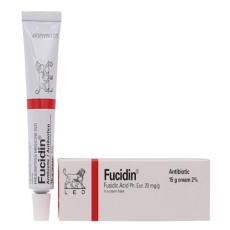
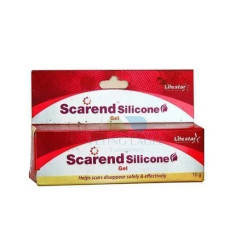
Medications for Abrasions
Abrasions are common skin injuries that occur when the outer layer of the skin is scraped off due to friction or trauma. They often result from falls, scrapes, or accidents, especially during outdoor activities or sports. Prompt and appropriate treatment is essential to prevent infection, promote healing, and minimize scarring. Early diagnosis and management can significantly reduce complications and improve recovery time, making it important for individuals to understand available treatment options and when to seek medical advice.
What Are Abrasions?
Abrasions are superficial injuries affecting the skin’s outermost layer, known as the epidermis. They typically appear as raw, red, or bleeding areas caused by scraping or rubbing against rough surfaces. These injuries are usually acute, occurring suddenly after an incident, and are among the most common skin traumas, especially in children and active adults. Rapid diagnosis and treatment are crucial to prevent bacterial infections and ensure proper healing, particularly in areas prone to contamination or friction.
Definition and Main Characteristics of Abrasions
Abrasions are superficial skin wounds characterized by removal of the epidermis, often resulting from falls, accidents, or contact with abrasive surfaces. Causes include falls, sports injuries, or accidental scrapes, with the injury evolving through stages of bleeding, cleaning, and healing. They are generally minor but can become serious if contaminated or if they involve large areas. Key features include redness, rawness, possible bleeding, and pain. Risk groups include children, athletes, and outdoor workers. The severity varies from minor scrapes to more extensive injuries that require medical attention.
| Characteristic | Description |
|---|---|
| Type of injury | Superficial skin abrasion |
| Causes | Friction, falls, contact with rough surfaces |
| Evolution | Initial bleeding, followed by crusting and healing |
| Severity | Usually minor; large or infected abrasions may require medical care |
| Risk groups | Children, athletes, outdoor workers |
Symptoms of Abrasions
The primary symptoms of abrasions include redness, rawness, and pain at the injury site. The area may bleed initially, especially if the scrape is deep, and often develops a crust or scab as it heals. Swelling and tenderness are common, and the injury may be accompanied by minor bleeding or oozing of clear fluid. Recognizing these signs early allows for prompt cleaning and treatment, reducing the risk of infection and promoting faster recovery. Symptoms tend to worsen if the wound becomes contaminated or infected, emphasizing the importance of proper care.
How to Recognize the First Signs of Abrasions
Early signs include a visible scrape or raw area on the skin, often accompanied by redness and tenderness. The injury may be painful to touch and may bleed slightly if the scrape is deep. In some cases, swelling or minor bleeding occurs immediately after trauma. Differentiating abrasions from other injuries involves noting the superficial nature and lack of deep tissue damage. Prompt identification and cleaning are vital to prevent infection and facilitate healing.
- Visible raw or red skin surface
- Pain or tenderness at the site
- Possible bleeding or oozing
- Swelling or minor inflammation
Causes and Risk Factors of Abrasions
Abrasions are primarily caused by mechanical trauma involving friction or scraping against rough surfaces. External factors such as falls, sports accidents, or contact with abrasive objects are common causes. Internal factors like poor skin integrity, age-related skin thinning, or certain skin conditions can increase susceptibility. Environmental conditions, including rough terrain, outdoor activities, or contact sports, also contribute. Additionally, behaviors such as neglecting protective gear or inadequate wound care can elevate the risk of developing abrasions.
Factors Contributing to Abrasions
Main causes include:
- External trauma from falls or contact with rough surfaces
- Participation in sports or outdoor activities without protective gear
- Skin conditions that weaken skin integrity (e.g., eczema, psoriasis)
- Age-related skin thinning, especially in elderly individuals
- Environmental factors like dirt, debris, or abrasive materials
| Risk Factor | Description | Probability |
|---|---|---|
| External trauma | Falls, scrapes, contact with rough objects | High |
| Protective gear absence | Increased injury risk during sports or outdoor work | Moderate to high |
| Skin condition | Weakened skin increases susceptibility | Variable |
| Age | Thinner skin in elderly increases injury risk | Moderate |
Recognizing these factors is essential for implementing preventive measures and reducing the likelihood of abrasions.
Types of Medications and Treatments
The treatment of abrasions depends on their severity. Minor abrasions often heal with simple wound care at home, while larger or contaminated wounds may require medical intervention. The choice of medication and treatment approach is influenced by factors such as wound size, location, risk of infection, and patient age. Proper wound management includes cleaning, disinfection, and protection to promote healing and prevent complications. Always consult a healthcare professional for guidance, especially for extensive or infected abrasions.
Medications for the Treatment of Abrasions
Several groups of medications are used to treat abrasions, aiming to prevent infection, reduce inflammation, and promote healing. Topical antiseptics such as chlorhexidine or povidone-iodine are commonly applied to disinfect the wound. Antibiotic ointments like neomycin or mupirocin may be prescribed if there is a risk of bacterial infection. Analgesics, including paracetamol or NSAIDs, help manage pain. In some cases, topical corticosteroids are used to reduce inflammation, especially if swelling or allergic reactions occur. The selection of medication depends on the wound’s severity and the patient’s overall health.
| Type of medication | Example of active ingredient | Therapeutic goal |
|---|---|---|
| Antiseptics | Povidone-iodine | Disinfection of the wound |
| Antibiotic ointments | Mupirocin | Prevent bacterial infection |
| Pain relievers | Paracetamol, Ibuprofen | Reduce pain and inflammation |
| Corticosteroids | Hydrocortisone | Reduce inflammation and swelling |
Natural Remedies for Abrasions
While medications are essential for proper wound care, some natural remedies can help alleviate symptoms and support healing. Applying honey has antimicrobial properties and can promote tissue regeneration. Aloe vera gel is known for its soothing and anti-inflammatory effects. Tea tree oil, used with caution, may help prevent infection due to its antiseptic qualities. Additionally, keeping the wound clean and moist with natural oils like coconut oil can facilitate healing. However, these remedies should complement medical treatment and always be used under medical supervision.
Although these natural methods may provide relief, they should not replace prescribed treatments. Consulting a healthcare professional ensures safe and effective wound management.
Forms and Presentations: Tablets, Capsules, Gels
Medications for abrasions are available in various forms, including topical ointments, gels, creams, and oral forms such as tablets or capsules. Topical formulations are most common for wound care, offering direct application to the affected area for localized effect. Gels and creams are easy to apply and penetrate the skin quickly, providing moisture and protection. Oral medications like analgesics or antibiotics are prescribed in cases of severe infection or pain. Each form has specific advantages, such as rapid action or ease of use, tailored to the wound’s severity and location.
| Form of medication | Characteristics | Most common use |
|---|---|---|
| Topical ointments/creams | Localized application, easy to apply | Minor to moderate abrasions |
| Gels | Fast absorption, non-greasy | Superficial wounds |
| Oral tablets/capsules | Systemic effect, used for pain or infection | Severe infections, pain management |
Over-the-Counter (OTC) Medications
For minor abrasions, OTC medications can be effective in managing symptoms and preventing infection. These include antiseptic creams, antibiotic ointments, and pain relievers such as acetaminophen or ibuprofen. They are generally safe when used as directed and are suitable for uncomplicated wounds. However, if symptoms persist, worsen, or if signs of infection develop, it is important to consult a healthcare professional. OTC options are intended for short-term use and minor injuries only, and they do not replace professional medical evaluation for more serious wounds.
- Antiseptic creams (e.g., hydrogen peroxide, povidone-iodine)
- Antibiotic ointments (e.g., neomycin, bacitracin)
- Pain relievers (e.g., acetaminophen, ibuprofen)
Diagnosis and When to See a Doctor
Diagnosis of abrasions is primarily clinical, based on visual examination of the wound. Healthcare providers assess the size, depth, and location of the injury, as well as signs of infection or complications. In some cases, they may perform wound swabs or imaging if deeper tissue involvement is suspected. It is crucial not to self-medicate extensively or ignore worsening symptoms, as improper care can lead to infections or delayed healing. Consulting a healthcare professional ensures accurate diagnosis and appropriate treatment, especially for large, contaminated, or infected abrasions. Early medical intervention can prevent complications and promote optimal healing.
Tests and Diagnostic Methods for Abrasions
Diagnosis is mainly based on physical examination. In cases of suspected infection or complications, laboratory tests such as wound swabs for bacterial culture may be performed to identify pathogens. Imaging studies like X-rays are rarely needed but can be useful if foreign bodies or deeper tissue damage are suspected. These assessments help determine the severity and guide appropriate treatment strategies.
| Type of test | Objective | Diagnostic value |
|---|---|---|
| Visual examination | Assess wound size, depth, and signs of infection | Primary diagnostic method |
| Wound swab culture | Identify bacterial pathogens | Guide antibiotic therapy |
| X-ray | Detect foreign bodies or deep tissue injury | Used selectively |
Signs Requiring Immediate Medical Attention
Seek urgent medical care if the abrasion shows signs of severe infection, such as increasing redness, swelling, warmth, pus, or foul odor. Also, if there is uncontrolled bleeding, deep tissue involvement, or if the wound is caused by a dirty or rusty object, immediate evaluation is necessary. Symptoms like fever, spreading redness, or severe pain indicate possible systemic infection. Delaying treatment in such cases can lead to serious complications, including cellulitis or tetanus. Prompt medical attention ensures proper wound management and reduces the risk of long-term consequences.
Precautions and Side Effects
Even medications considered safe can cause adverse effects if misused or if the patient has specific sensitivities. Common side effects include skin irritation, allergic reactions, or gastrointestinal discomfort. More serious effects, such as allergic dermatitis or systemic allergic responses, are rare but require immediate medical attention. Patients with allergies, pregnant women, children, the elderly, or those with chronic illnesses should exercise caution and consult healthcare providers before using medications. Following prescribed dosages and instructions minimizes risks and promotes safe healing.
Most Common Side Effects
Minor side effects include skin irritation, redness, or itching at the application site. Allergic reactions such as rash, swelling, or difficulty breathing are less common but require urgent care. Serious adverse effects like liver or kidney issues are rare and typically associated with systemic medications taken inappropriately. Monitoring for any unusual symptoms during treatment is essential to ensure safety.
| Type of effect | Frequency | Severity | Recommendation |
|---|---|---|---|
| Skin irritation | Common | Minor | Discontinue use and consult a doctor if persists |
| Allergic reaction | Rare | Serious | Seek immediate medical attention |
| Gastrointestinal issues | Rare | Moderate | Report to healthcare provider |
Safe Medication Use Tips
To ensure safe medication use, always follow the prescribed dosage and application instructions. Avoid combining medications without medical advice, and do not use expired products. Store medicines in a cool, dry place away from children and pets. Be cautious about alcohol consumption or concurrent use of other drugs that may interact adversely. Regularly review your treatment plan with your healthcare provider, and report any side effects or concerns promptly. Proper storage, adherence, and communication with your healthcare team are key to effective and safe treatment.
Prevention and Daily Care
Preventing abrasions involves adopting safe habits and maintaining good skin health. Wearing protective gear during sports or outdoor activities reduces injury risk. Keeping skin moisturized and healthy enhances resilience against minor trauma. Regularly inspecting skin, especially in vulnerable areas, allows early detection of skin conditions that may predispose to abrasions. Immediate cleaning and proper wound care after injury help prevent infection and promote faster healing. Tailoring prevention strategies to individual risk factors, such as age or occupation, optimizes outcomes.
Recommended Habits to Reduce the Risk of Abrasions
Implementing simple lifestyle changes can significantly lower injury risk:
- Wearing appropriate protective equipment during sports or outdoor work
- Maintaining good skin hydration and hygiene
- Avoiding rough surfaces or hazardous environments when possible
- Promptly cleaning and disinfecting minor injuries
- Practicing safe fall techniques and awareness during physical activities
| Prevention Area | Recommended Measures | Main Benefits |
|---|---|---|
| Protective gear | Helmets, pads, gloves | Reduces injury severity |
| Skin care | Moisturizing, avoiding irritants | Strengthens skin barrier |
| Environmental awareness | Safe surfaces, caution in hazardous areas | Prevents falls and scrapes |
Additional Preventive Measures
Secondary prevention includes regular medical check-ups, especially for individuals with skin conditions or at higher risk. Vaccinations such as tetanus immunization are vital if wounds are contaminated or caused by dirty objects. Supplementing with vitamins like vitamin C and zinc can support skin repair. Following medical advice on wound care, avoiding unnecessary trauma, and maintaining overall health contribute to reducing recurrence. These measures not only prevent abrasions but also promote general well-being and resilience against injuries.
Prognosis and Recovery
The outlook for abrasions is generally favorable, especially with proper care. The healing process depends on the wound size, depth, infection risk, and overall health. Most minor abrasions heal within a few days to a week, with minimal scarring. Larger or infected wounds may require longer recovery and medical intervention. Adherence to treatment protocols and lifestyle adjustments can accelerate healing and prevent complications. Early and appropriate management is key to ensuring a good prognosis and quick return to normal activities.
Typical Recovery Time
The healing duration varies based on injury severity. Minor abrasions typically resolve within 3 to 7 days, while more extensive wounds may take 2 to 3 weeks. Deep or infected abrasions can require several weeks, and chronic wounds may need ongoing care. The table below summarizes typical recovery times:
| Type of case | Average recovery time | Comments |
|---|---|---|
| Minor abrasions | 3-7 days | Complete healing with proper care |
| Moderate abrasions | 1-3 weeks | May require medical attention |
| Severe or infected abrasions | Several weeks | Potential for scarring or complications |
Chronic wounds or those with underlying health issues may need ongoing treatment and monitoring for optimal recovery.
Factors Improving the Prognosis
- Early and appropriate wound care
- Adherence to medical advice and treatment
- Maintaining good hygiene and avoiding contamination
- Healthy lifestyle, including balanced diet and hydration
- Timely management of infections or complications
These factors significantly increase the likelihood of complete healing and reduce the risk of long-term issues or recurrence.
Lifestyle Changes for Better Recovery
The recovery from abrasions also depends on adopting healthier habits. Patients should prioritize proper wound hygiene, avoid picking at scabs, and protect the area from further trauma. Maintaining a nutritious diet rich in vitamins C and E, zinc, and proteins supports tissue repair. Adequate hydration and rest are essential for optimal healing. Avoiding smoking and excessive alcohol consumption can also improve recovery outcomes. These lifestyle modifications contribute to faster healing and help prevent future injuries.
Possible Complications
If not properly treated, abrasions can lead to complications such as infections, scarring, or delayed healing. Bacterial infections may cause redness, swelling, pus, or fever, requiring antibiotics. In some cases, improper wound care can result in hypertrophic scars or keloids. Rare but serious complications include cellulitis or tetanus, especially if the wound is contaminated or caused by dirty or rusty objects. Preventing these issues involves timely cleaning, appropriate medication, and monitoring for signs of infection. With proper management, most patients recover fully without long-term effects.
| Complication | Frequency | Severity | Prevention |
|---|---|---|---|
| Infection | Common | Variable | Proper cleaning and disinfection |
| Scarring | Possible | Minor to moderate | Moist wound care and avoiding trauma |
| Deep tissue damage | Rare | Serious | Early medical evaluation |
With appropriate treatment and diligent care, most patients recover well and avoid long-term complications.
Where to Buy Medications for Abrasions
Medications for treating abrasions are widely available in pharmacies and online stores. It is important to verify the legitimacy of the pharmacy and ensure the quality of the products purchased, avoiding counterfeit or expired medicines. All medications for abrasions can be obtained with or without a prescription, depending on their strength and type. Purchasing from reputable sources guarantees safety and efficacy, especially when dealing with topical treatments or antibiotics. In our pharmacy in France, all relevant medications are accessible online, providing convenience and peace of mind.
Shop Safely in an Authorized Online Pharmacy
Buying from our licensed online pharmacy offers numerous advantages, including access to professional advice, guaranteed product authenticity, and secure transactions. We ensure the quality of all medicines through strict quality controls, proper packaging, and traceability of lots. Customers can benefit from easy return policies and detailed product information. To ensure a safe purchase, always check the pharmacy’s license, examine the packaging for damage or tampering, verify expiration dates, and consult a pharmacist if needed. These precautions help protect your health and ensure effective treatment.
Can You Purchase Medications Online Without a Prescription?
In France, all medications for abrasions, including topical antiseptics and antibiotics, can be purchased online without a prescription through our pharmacy. This facilitates quick access to essential treatments for minor injuries. However, it remains important to use these medicines responsibly and follow the recommended guidelines. While OTC products are generally safe, consulting a healthcare professional is advisable if symptoms worsen or if there are underlying health concerns. Always ensure that the online pharmacy is licensed and reputable to avoid counterfeit products and ensure safety.
- Verify pharmacy licensing
- Check product authenticity and packaging
- Follow recommended dosages and instructions
- Consult a pharmacist if uncertain
Shipping Options and Quality Assurance
Our pharmacy offers various shipping methods, including standard, express, and international delivery, to meet your needs. We implement strict quality control measures such as batch traceability, temperature regulation, and secure, discreet packaging. Tracking your order ensures transparency and peace of mind. We also monitor the handling process to prevent damage and ensure timely delivery. These measures guarantee that your medications arrive safely and in optimal condition, maintaining their efficacy and your safety.
Prices, Availability, and Discounts in French Pharmacies
The cost of medications for abrasions in France varies depending on factors such as brand versus generic, dosage, form (creams, gels, tablets), and whether a prescription is required. Prices can also fluctuate based on the distribution channel—pharmacies traditional or online—and regional differences. Seasonal demand and stock availability influence whether certain products are immediately accessible or require special ordering. Many pharmacies offer discounts, promotional codes, or loyalty programs, making treatments more affordable. Comparing prices across different outlets and consulting with pharmacists about generic options can help optimize your budget. If a specific formulation or strength is needed, inquire in advance about ordering procedures or alternatives to ensure timely treatment.
| Produits en pharmacie | Prix |
|---|---|
| Fucidine 2% Crème 5/15 g | 86.64 € |
| Silicone | 0.00 € |
FAQ: Médicaments pour les Abrasions en 2026
-
Est-il nécessaire d’avoir une ordonnance pour acquérir Médicaments pour les Abrasions en pharmacie ?
-
Quelles sont les méthodes de paiement acceptées ?
-
Quel est le prix de Médicaments pour les Abrasions en France ?
-
Puis-je acheter Médicaments pour les Abrasions via votre pharmacie en ligne ?
-
Que dois-je savoir concernant la livraison ?
-
Médicaments pour les Abrasions est un produit légal en France ?
-
Produits les plus vendus dans la pharmacie