


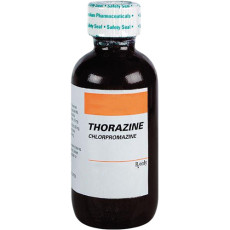
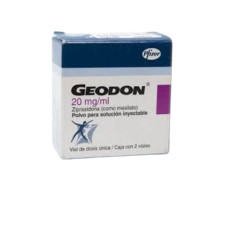
Medications for Managing Agitation
Agitation is a common symptom characterized by restlessness, irritability, and often an inability to stay calm. It can result from various underlying conditions such as psychiatric disorders, neurological diseases, infections, or substance withdrawal. Prompt diagnosis and appropriate treatment are essential to prevent escalation and improve quality of life. Scientific studies highlight that early intervention can significantly reduce the severity of symptoms and facilitate recovery, especially when the underlying cause is identified quickly.
What Is Agitation?
Agitation involves a state of heightened arousal, often accompanied by emotional distress and physical restlessness. It primarily affects the nervous system, leading to behaviors like pacing, shouting, or aggressive actions. Agitation can be acute, occurring suddenly, or chronic, persisting over time, and is frequently observed in mental health conditions such as schizophrenia or dementia. Rapid diagnosis is crucial because untreated agitation can escalate into violence or self-harm, complicating treatment and recovery. Recognizing early signs allows for timely management, reducing risks and improving patient outcomes.
Definition and Main Characteristics of Agitation
Agitation is a behavioral and emotional state marked by excessive motor activity, irritability, and heightened emotional responses. Causes include psychiatric illnesses, neurological damage, infections, or substance withdrawal. It can evolve rapidly, sometimes leading to aggressive behaviors or self-injury if not managed promptly. The severity varies from mild restlessness to severe aggression requiring immediate intervention. Risk groups include elderly patients with dementia, individuals with psychiatric disorders, and those experiencing substance withdrawal. The condition often fluctuates, necessitating tailored treatment approaches based on severity and underlying causes.
- Type of agitation: Mild, moderate, severe
- Evolution: Sudden or gradual
- Risk groups: Elderly, psychiatric patients, substance users
Symptoms of Agitation
Symptoms of agitation include increased physical activity, rapid speech, irritability, and difficulty calming down. As it progresses, individuals may become aggressive, display emotional outbursts, or show signs of distress like sweating or rapid heartbeat. Recognizing these symptoms early helps in initiating appropriate treatment and preventing escalation. The intensity can vary depending on the underlying cause and duration, with some patients experiencing only mild discomfort while others may pose safety risks. Early detection and intervention are key to managing symptoms effectively and avoiding complications.
How to Recognize Early Signs of Agitation
Initial signs often include restlessness, fidgeting, and irritability. Patients may become easily frustrated, speak rapidly, or show signs of emotional distress. These symptoms can resemble those of stress or anxiety but tend to escalate if not addressed. Differentiating agitation from other conditions like depression or fatigue involves observing behavioral changes and the context of onset. For example, sudden irritability following a stressful event may indicate early agitation. Prompt recognition allows for early intervention, reducing the risk of violence or self-harm.
| Type of Symptom | Frequency | Severity | Observations |
|---|---|---|---|
| Restlessness | Common | Mild to moderate | Often the first sign |
| Irritability | Frequent | Moderate to severe | May lead to aggressive behavior |
| Rapid speech | Occasional | Variable | Associated with emotional distress |
Causes and Risk Factors of Agitation
Agitation can stem from a variety of internal and external factors. Common causes include psychiatric conditions like schizophrenia or bipolar disorder, neurological diseases such as Parkinson’s or dementia, infections, metabolic disturbances, or substance withdrawal. External factors like stress, environmental changes, or traumatic events can also trigger agitation. Age-related factors, especially in elderly populations, increase susceptibility due to cognitive decline or medication side effects. Recognizing these causes helps in tailoring treatment and implementing preventive strategies effectively.
Factors Contributing to Agitation
Internal factors include genetic predispositions, neurochemical imbalances, or chronic illnesses. External factors encompass environmental stressors, substance use, or recent traumatic experiences. Often, multiple causes interact, making agitation a multifactorial condition. For example, a person with dementia experiencing environmental changes may become more agitated due to both neurological decline and external stress. Understanding these contributing factors is vital for developing comprehensive management plans and preventive measures.
| Type of Factor | Example | Mechanism of Influence |
|---|---|---|
| Internal | Neurochemical imbalance | Disrupts normal brain signaling, leading to behavioral changes |
| External | Stressful environment | Triggers emotional response, increasing agitation risk |
Recognizing these factors is essential for implementing preventive measures and reducing the likelihood of agitation development.
Types of Medications and Treatments
The management of agitation depends on its severity and underlying cause. Mild cases may sometimes be managed with non-pharmacological approaches, but moderate to severe agitation often requires medication. Treatment choices should always be guided by a healthcare professional to ensure safety and effectiveness. In some situations, medications can be used temporarily, while others may require longer-term management. The goal is to reduce agitation symptoms, prevent harm, and address the root cause whenever possible.
Medications for Treating Agitation
Several classes of drugs are used to control agitation, including antipsychotics, benzodiazepines, and mood stabilizers. Antipsychotics like risperidone or olanzapine are often prescribed to manage severe agitation, especially in psychiatric or neurodegenerative conditions. Benzodiazepines such as lorazepam or diazepam can provide rapid calming effects but are generally used with caution due to potential dependency. Mood stabilizers like valproate may be beneficial in cases linked to mood disorders. The choice of medication depends on the patient's age, health status, and underlying cause, emphasizing the importance of medical supervision.
| Type of Medication | Example of Active Substance | Therapeutic Goal |
|---|---|---|
| Antipsychotics | Risperidone, Olanzapine | Reduce severe agitation and psychotic symptoms |
| Benzodiazepines | Lorazepam, Diazepam | Rapid calming, anxiety reduction |
| Mood Stabilizers | Valproate | Manage agitation related to mood disorders |
Natural Remedies for Agitation
Complementary approaches can help alleviate mild agitation symptoms. Techniques such as relaxation exercises, aromatherapy with calming essential oils like lavender, or herbal teas like chamomile may provide some relief. Mindfulness meditation and controlled breathing exercises can also help reduce stress levels. However, these methods should be used alongside medical treatment and under professional guidance. They are not substitutes for prescribed medications but can support overall well-being and symptom management.
Forms and Presentations: Tablets, Capsules, Gels
Medications for agitation are available in various forms, including tablets, capsules, liquids, and topical gels. Tablets and capsules are the most common, offering convenience and precise dosing. Liquids are useful for patients who have difficulty swallowing, such as children or elderly individuals. Topical gels are less common but may be used for localized effects or in specific formulations. Each form has advantages; for example, tablets often have a rapid onset, while liquids allow for flexible dosing. The choice depends on patient needs, age, and the clinical situation.
| Form of Medication | Characteristics | Most Common Use |
|---|---|---|
| Tablets | Easy to administer, stable | Chronic management |
| Gels | Localized application, quick absorption | Specific localized symptoms |
| Liquid formulations | Flexible dosing, suitable for children | Acute episodes or difficulty swallowing |
Over-the-Counter (OTC) Medications
For mild agitation, some OTC options may provide temporary relief, such as herbal supplements like valerian root or melatonin. These are generally used to promote relaxation and improve sleep, which can indirectly reduce agitation. However, it is important to consult a healthcare professional before using OTC remedies, especially if symptoms persist or worsen. These options are not substitutes for prescribed medications and should only be used as adjuncts under medical supervision.
- Herbal teas (chamomile, valerian)
- Melatonin supplements
- Relaxation aids (magnesium supplements)
These options should be used cautiously and only for mild symptoms, with medical advice if symptoms continue or intensify.
Diagnosis and When to See a Doctor
Diagnosing agitation involves a thorough clinical assessment by a healthcare professional, including medical history, physical examination, and behavioral evaluation. The doctor may also order laboratory tests or imaging studies to identify underlying causes such as infections, metabolic disturbances, or neurological conditions. Self-medication is discouraged because inappropriate treatment can worsen symptoms or mask serious conditions. Early diagnosis by a specialist ensures targeted therapy, improving the chances of effective symptom control and preventing complications. Recognizing when agitation is severe or associated with other concerning symptoms warrants urgent medical attention.
Tests and Diagnostic Methods for Agitation
Diagnosis typically involves physical examinations, blood tests to check for infections or metabolic issues, and neuroimaging like CT or MRI scans if neurological causes are suspected. Psychiatric evaluation may also be necessary to assess mental health status. These methods help confirm the underlying cause and guide appropriate treatment. Laboratory tests can reveal infections, electrolyte imbalances, or drug levels, while imaging can detect structural brain abnormalities. Accurate diagnosis is essential for effective management and improving patient outcomes.
| Type of Test | Objective | Diagnostic Value |
|---|---|---|
| Blood tests | Identify infections, metabolic disturbances | Detects underlying causes |
| Neuroimaging (CT/MRI) | Assess structural brain issues | Detects lesions, tumors, or degenerative changes |
| Psychiatric evaluation | Assess mental health status | Identifies psychiatric causes |
Signs Requiring Urgent Medical Attention
Immediate medical consultation is necessary if agitation is accompanied by sudden confusion, hallucinations, seizures, or signs of stroke such as weakness or speech difficulties. Also, if agitation leads to self-harm, violence, or if the individual is unable to communicate or breathe properly, urgent care is essential. Delaying treatment in these situations can result in serious complications or life-threatening conditions. Recognizing these warning signs ensures prompt intervention, which can be lifesaving.
Precautions and Side Effects
While medications for agitation are generally effective, they can cause side effects, especially if misused or taken without medical supervision. Common adverse effects include drowsiness, dizziness, dry mouth, or gastrointestinal discomfort. More serious risks involve allergic reactions, liver or kidney issues, or cardiac problems. Patients with pre-existing conditions or those taking multiple medications should be particularly cautious. Following prescribed dosages and monitoring for adverse reactions are vital to ensure safety and efficacy.
Most Common Side Effects
Minor side effects include sedation, dry mouth, or mild gastrointestinal upset. Serious adverse effects, though less common, may involve allergic reactions, arrhythmias, or liver toxicity. The risk varies depending on the medication type and patient health status. Regular medical follow-up helps detect and manage side effects early, minimizing potential harm.
| Type of Effect | Frequency | Severity | Recommendations |
|---|---|---|---|
| Drowsiness | Common | Minor | Avoid driving or operating machinery |
| Allergic reactions | Rare | Serious | Seek immediate medical attention |
| Gastrointestinal upset | Moderate | Minor to moderate | Take with food if tolerated |
Safe Use of Medications
To ensure safe medication use, always adhere to the prescribed dosage and schedule. Avoid alcohol and other sedatives that may enhance side effects. Store medications in a cool, dry place out of reach of children. Regularly review treatment with your healthcare provider and report any adverse effects promptly. Do not alter doses or discontinue medication without medical advice. Proper storage, adherence, and monitoring are key to maximizing benefits and minimizing risks.
- Follow prescribed instructions carefully
- Avoid alcohol and recreational drugs
- Store medications safely and out of reach
- Attend regular follow-up appointments
- Report side effects immediately
Prevention and Daily Care
Preventive measures and daily routines play a crucial role in managing agitation. Regular medical check-ups help identify early signs of underlying issues. Maintaining a healthy lifestyle, including balanced nutrition, regular exercise, good sleep hygiene, and stress management, can reduce the risk of agitation episodes. Recognizing triggers such as environmental changes or stressors allows for proactive interventions. Tailoring prevention strategies to individual needs enhances overall well-being and reduces the likelihood of symptom recurrence.
Recommended Habits to Reduce the Risk of Agitation
Adopting healthy habits such as a balanced diet, regular physical activity, adequate sleep, and stress reduction techniques can significantly lower agitation risk. Avoiding substances like alcohol or recreational drugs that can alter mental state is also beneficial. Creating a calm and predictable environment, especially for vulnerable populations like the elderly or psychiatric patients, helps prevent triggers. Engaging in relaxing activities and maintaining social connections contribute to emotional stability. These lifestyle modifications support long-term mental health and reduce episodes of agitation.
| Prevention Domain | Recommended Measures | Main Benefits |
|---|---|---|
| Diet | Balanced nutrition, hydration | Supports brain health, reduces irritability |
| Exercise | Regular physical activity | Reduces stress, improves mood |
| Sleep hygiene | Consistent sleep schedule | Prevents fatigue-related agitation |
Additional Preventive Measures
Secondary prevention includes routine health screenings, vaccinations where applicable, and adherence to prescribed medications for chronic conditions. Regular follow-up with healthcare providers ensures early detection of potential issues. Supplementing with vitamins or other supportive therapies may be recommended based on individual health status. Following medical advice and maintaining a proactive approach can reduce the incidence and severity of agitation episodes, enhancing overall quality of life.
Implementing these measures not only decreases the risk of agitation but also promotes overall health and well-being over the long term.
Prognosis and Recovery
The outlook for individuals with agitation depends largely on the underlying cause, the severity at presentation, and the timeliness of treatment. Early and appropriate intervention generally leads to favorable outcomes, especially when the root condition is effectively managed. Adherence to treatment plans and lifestyle modifications further support recovery. Scientific evidence indicates that with proper care, most patients experience significant symptom reduction and improved functioning. Ongoing monitoring and support are essential for sustained recovery and preventing relapses.
Typical Recovery Time
The duration of recovery varies according to the severity and cause of agitation. Mild episodes may resolve within a few days with minimal intervention, while more severe cases can take weeks or months. For example, agitation related to medication side effects may improve rapidly once the medication is adjusted, whereas neurodegenerative causes may require long-term management. Chronic conditions often involve a gradual improvement, with ongoing support necessary to maintain stability. The table below summarizes typical recovery times based on case severity.
| Type of Case | Average Recovery Duration | Comments |
|---|---|---|
| Mild agitation | Few days to 1 week | Often resolves with minimal treatment |
| Moderate agitation | 1 to 4 weeks | Requires medication and behavioral therapy |
| Severe/chronic agitation | Several months | Requires ongoing management and support |
Factors Improving Prognosis
Effective management, early diagnosis, and patient adherence to treatment significantly enhance recovery chances. Supportive care, such as psychological therapy and social support, also contribute positively. Patients who actively participate in their treatment plans and maintain healthy lifestyles tend to have better outcomes. Regular follow-up and prompt response to symptom changes reduce the risk of complications and relapse. These factors collectively increase the likelihood of complete remission or long-term stability.
- Timely medical intervention
- Adherence to prescribed therapy
- Healthy lifestyle choices
- Supportive environment
Lifestyle Changes for Better Outcomes
The recovery process benefits from adopting healthier daily habits, including balanced nutrition, regular exercise, stress management, and adequate sleep. Avoiding substances that can trigger agitation, such as alcohol or recreational drugs, is also recommended. Engaging in social activities and relaxation techniques supports emotional stability. Patients should work closely with healthcare providers to develop personalized routines that promote mental health and prevent recurrence. These lifestyle modifications are essential components of comprehensive care.
Potential Complications
If agitation is left untreated or poorly managed, it can lead to serious complications. These include physical injuries, self-harm, violence, or deterioration of underlying health conditions. Chronic agitation may result in social isolation, cognitive decline, or worsening of psychiatric or neurological disorders. In extreme cases, agitation can cause life-threatening events like seizures or cardiac issues. Preventing these outcomes depends on timely intervention, adherence to treatment, and ongoing support. With proper care, most patients avoid long-term complications and achieve satisfactory recovery.
| Complication | Frequency | Severity | Prevention |
|---|---|---|---|
| Physical injuries/self-harm | Common in severe agitation | Serious | Supervised care, medication management |
| Violence or aggression | Variable | Serious | Early treatment, environmental control |
| Worsening of underlying disease | Chronic cases | Moderate to severe | Consistent medical follow-up |
With appropriate treatment and ongoing care, most individuals recover well and avoid long-term adverse effects, maintaining a good quality of life.
Where to Purchase Medications for Agitation
Medications for agitation are widely available in pharmacies and through reputable online platforms. It is essential to verify the licensing and authenticity of the pharmacy to avoid counterfeit products. Always purchase from trusted sources that adhere to safety standards. Our pharmacy in France offers a secure online service with genuine medications, ensuring quality and safety for all customers. Proper verification helps protect your health and guarantees effective treatment.
Shop Safely at Our Licensed Online Pharmacy
Buying from our authorized online pharmacy provides several advantages, including professional advice, guaranteed medication quality, and secure transactions. We ensure all products are authentic, properly stored, and shipped with confidentiality. Before purchasing, verify the pharmacy’s license, check packaging and expiration dates, and consult our pharmacists for guidance. These precautions help ensure safe and effective treatment, giving you peace of mind when ordering medications online.
Can You Buy Agitation Medications Online Without a Prescription?
In France, all medications used to treat agitation are available online without a prescription through our pharmacy, simplifying access for patients. However, it is strongly recommended to consult a healthcare professional before starting any medication, even if it is available OTC. Self-medicating without proper diagnosis can be risky, especially for severe cases or underlying health issues. Our platform emphasizes responsible use and encourages users to seek medical advice for optimal care.
- Verify the legitimacy of the online pharmacy
- Consult a healthcare professional before use
- Ensure medications are stored and shipped properly
Shipping Options and Quality Assurance
We offer various shipping methods, including standard, express, and international delivery, to meet your needs. All shipments are tracked, and packaging is discreet to ensure privacy. Our quality control measures include batch traceability, temperature regulation during transit, and strict adherence to safety standards. These procedures guarantee that your medications arrive in optimal condition, maintaining their efficacy and safety. We prioritize customer satisfaction and compliance with regulatory requirements to provide reliable service.
| Produits en pharmacie | Prix |
|---|---|
| Thorazine 50/100 mg comprimés | 78.77 € |
| Geodon 20/40 mg comprimés | 76.14 € |
FAQ: Médicaments pour l'Agitation en 2026
-
Est-il nécessaire d’avoir une ordonnance pour acquérir Médicaments pour l'Agitation en pharmacie ?
-
Quelles sont les méthodes de paiement acceptées ?
-
Quel est le prix de Médicaments pour l'Agitation en France ?
-
Puis-je acheter Médicaments pour l'Agitation via votre pharmacie en ligne ?
-
Que dois-je savoir concernant la livraison ?
-
Médicaments pour l'Agitation est un produit légal en France ?
-
Produits les plus vendus dans la pharmacie