


Medications for Andropause
Andropause, often referred to as male menopause, is a condition characterized by a gradual decline in testosterone levels in aging men. This hormonal change can lead to symptoms such as fatigue, reduced libido, mood swings, and muscle loss, impacting quality of life. Early diagnosis and appropriate treatment are essential to manage symptoms effectively and prevent potential complications. Scientific studies indicate that testosterone levels naturally decrease by about 1% annually after the age of 30, but significant symptoms often appear when levels fall below a certain threshold, making timely intervention crucial.
What is Andropause?
Andropause is a physiological process involving a slow decline in testosterone production by the testes, primarily affecting men over 50. Unlike menopause in women, which is abrupt, andropause develops gradually and is often associated with aging. It impacts various bodily systems, including reproductive, muscular, and psychological functions. Recognizing and treating andropause early can significantly improve a man's overall well-being, as untreated hormonal decline may lead to depression, osteoporosis, and cardiovascular issues. The condition is chronic but manageable with appropriate medical care.
Definition and Main Characteristics of Andropause
Andropause is a syndrome resulting from a decrease in testosterone levels, typically caused by aging, lifestyle factors, or health conditions such as obesity or diabetes. It is characterized by a gradual onset of symptoms, including decreased libido, erectile dysfunction, fatigue, and mood disturbances. The severity varies among individuals, with some experiencing mild symptoms and others facing significant health impacts. Risk groups include men over 50, those with unhealthy lifestyles, or with chronic illnesses. The progression is usually slow, but early diagnosis can prevent complications and improve quality of life.
- Type of condition: Hormonal decline related to aging
- Evolution: Gradual over years
- Severity: Mild to severe
- Risk groups: Men over 50, those with unhealthy habits
Symptoms of Andropause
Symptoms of andropause can develop insidiously, often mistaken for normal aging. Common signs include decreased libido, erectile difficulties, fatigue, irritability, and loss of muscle mass. As the condition progresses, men may experience depression, sleep disturbances, and reduced cognitive function. Recognizing these symptoms early allows for prompt intervention, which can significantly improve outcomes. Scientific research emphasizes that early treatment can restore hormonal balance and mitigate long-term health risks.
How to Recognize the Early Signs of Andropause
Early symptoms often include a noticeable decrease in sexual desire, fatigue, and mood swings. Men might also experience less spontaneous erections and a decline in muscle strength. These signs can be subtle and easily attributed to stress or aging, but persistent symptoms warrant medical evaluation. Differentiating andropause from other conditions like depression or thyroid disorders is important, as targeted treatment can then be initiated. Monitoring hormonal levels through blood tests is a key step in diagnosis.
Causes and Risk Factors of Andropause
The primary cause of andropause is the natural decline in testosterone production with age. External factors such as obesity, sedentary lifestyle, smoking, excessive alcohol consumption, and chronic stress can accelerate this process. Certain health conditions like diabetes, cardiovascular disease, and hormonal disorders also contribute. Genetic predisposition may influence the rate of testosterone decline, and environmental exposures to endocrine disruptors are increasingly recognized as risk factors. Recognizing these factors helps in implementing preventive measures to delay or reduce symptoms.
- Age-related decline: Natural decrease in testosterone
- External factors: Lifestyle, environment, health conditions
- Genetics: Predisposition to hormonal decline
| Risk Factor | Description | Probability |
|---|---|---|
| Obesity | Increases aromatase activity, converting testosterone to estrogen | High |
| Sedentary lifestyle | Reduces testosterone production due to lack of physical activity | Moderate |
| Chronic stress | Elevates cortisol, which suppresses testosterone synthesis | Moderate |
Types of Medications and Treatments
The management of andropause involves various treatment options tailored to the severity of symptoms and individual health status. Lifestyle modifications are often recommended initially, but in cases of significant hormonal deficiency, medical therapies are necessary. Treatments include hormone replacement therapy, medications to stimulate testosterone production, and supportive therapies. It is essential that any treatment plan be supervised by a healthcare professional to ensure safety and effectiveness. Scientific evidence supports the use of testosterone therapy as a primary approach when levels are markedly low, but other options may be considered based on patient needs.
Medications for the Treatment of Andropause
Several classes of medications are used to treat andropause. Testosterone replacement therapy (TRT) is the most common, aiming to restore normal testosterone levels. Examples include testosterone gels, patches, injections, and pellets, with the goal of alleviating symptoms like fatigue and low libido. Additionally, medications such as selective estrogen receptor modulators (SERMs) or aromatase inhibitors may be prescribed to optimize hormonal balance. In some cases, medications that improve mood or address erectile dysfunction, like phosphodiesterase inhibitors, are used as adjuncts. The choice of medication depends on individual health, preferences, and specific symptoms, always under medical supervision.
| Type of Medication | Example of Active Ingredient | Therapeutic Goal |
|---|---|---|
| Hormone Replacement Therapy | Testosterone gels, patches, injections | Restore testosterone levels |
| Selective Estrogen Receptor Modulators | Clomiphene citrate | Stimulate endogenous testosterone production |
| Supportive Medications | Sildenafil, tadalafil | Improve erectile function |
Natural Remedies for Andropause
Complementary approaches can help alleviate symptoms of andropause, although they should not replace medical treatments. Natural remedies include herbal supplements like tribulus terrestris, ginseng, and maca, which are believed to support testosterone levels and improve vitality. Lifestyle changes such as regular exercise, balanced diet, stress reduction, and adequate sleep are also beneficial. Some men find that acupuncture or mindfulness practices help manage mood swings and fatigue. Always consult a healthcare provider before starting any natural supplement to ensure safety and appropriateness.
Forms and Presentations: Tablets, Capsules, Gels
Medications for andropause are available in various forms, including tablets, capsules, gels, patches, and injections. Tablets and capsules are convenient and often used for oral administration, offering quick or sustained release options. Gels and patches provide transdermal delivery, allowing for steady hormone absorption and avoiding first-pass metabolism. Injections are typically administered periodically by healthcare professionals and can produce rapid changes in testosterone levels. Each form has specific advantages depending on patient preference, convenience, and medical considerations.
| Formulation | Characteristics | Most Common Use |
|---|---|---|
| Tablets/Capsules | Oral, easy to take, variable release profiles | Daily administration |
| Gels/Patches | Transdermal, steady hormone delivery | Continuous therapy |
| Injections | Periodic, rapid effect | Every few weeks |
Over-the-Counter (OTC) Medications
For mild symptoms, some men may consider OTC options such as dietary supplements, vitamins, and herbal products. These include zinc, vitamin D, D-aspartic acid, and herbal extracts like tribulus terrestris, which are marketed to support testosterone production and overall vitality. However, scientific evidence regarding their efficacy varies, and they should be used cautiously. It is important to consult a healthcare professional before starting OTC products, especially if symptoms persist or worsen, as they may indicate underlying health issues requiring medical attention.
Diagnosis and When to See a Doctor
Diagnosing andropause involves a comprehensive medical evaluation, including a detailed history, physical examination, and laboratory tests. Blood tests measuring serum testosterone levels, preferably in the morning, are essential for confirming hormonal deficiency. Additional tests may include luteinizing hormone (LH), follicle-stimulating hormone (FSH), and other relevant markers. It is crucial not to self-medicate, as symptoms can overlap with other conditions like depression or thyroid disorders. Early consultation with a healthcare professional ensures accurate diagnosis and appropriate treatment planning, improving long-term outcomes.
Tests and Diagnostic Methods for Andropause
Diagnosis typically involves blood tests to assess testosterone levels, with levels below 300 ng/dL often indicating deficiency. Hormonal panels including LH and FSH help determine whether the decline is primary or secondary. Physical examinations focus on secondary sexual characteristics, muscle mass, and prostate health. Imaging studies, such as ultrasound or MRI, may be used if structural abnormalities are suspected. Regular monitoring is recommended to evaluate treatment efficacy and adjust therapy accordingly.
| Type of Test | Objective | Diagnostic Value |
|---|---|---|
| Serum Testosterone | Measure circulating testosterone levels | Primary indicator of deficiency |
| LH and FSH | Assess testicular function | Determine primary vs. secondary hypogonadism |
| Imaging (Ultrasound/MRI) | Identify structural abnormalities | Support diagnosis if needed |
Signs Requiring Immediate Medical Attention
Sudden onset of severe symptoms such as chest pain, difficulty breathing, or sudden weakness should prompt urgent medical evaluation. Symptoms like persistent severe headaches, vision changes, or signs of blood clots (swelling, redness, warmth in limbs) also require prompt care. These may indicate serious complications like cardiovascular events or neurological issues. Ignoring these signs can lead to life-threatening consequences, emphasizing the importance of timely medical intervention.
Precautions and Side Effects
While medications for andropause are generally safe when used appropriately, they can cause side effects. Common adverse effects include skin irritation from patches or gels, mild fluid retention, or changes in mood. More serious risks involve cardiovascular problems, liver issues, or hormonal imbalances if misused. Patients with pre-existing conditions such as prostate cancer or cardiovascular disease should be closely monitored. Following medical instructions carefully minimizes risks and enhances treatment safety.
Most Common Side Effects
Minor side effects include skin irritation, acne, or increased red blood cell count. Rare but serious effects encompass liver toxicity, cardiovascular events, or prostate enlargement. Patients should report any unusual symptoms to their healthcare provider promptly. Regular blood tests help detect adverse effects early, allowing for dose adjustments or alternative therapies.
| Type of Effect | Frequency | Severity | Recommendation |
|---|---|---|---|
| Skin irritation | Common | Minor | Monitor and rotate application sites |
| Cardiovascular issues | Rare | Serious | Regular cardiovascular monitoring |
| Liver toxicity | Rare | Serious | Periodic liver function tests |
Safe Medication Use Tips
To ensure safe medication use, adhere strictly to prescribed dosages and schedules. Avoid combining treatments with alcohol or incompatible medications unless approved by your doctor. Store medicines in a cool, dry place away from children. Regular follow-up appointments are essential to monitor treatment effects and side effects. Patients should also inform their healthcare provider about any pre-existing conditions or medications they are taking to prevent interactions.
- Follow dosage instructions precisely
- Report adverse effects promptly
- Keep medications out of reach of children
- Attend scheduled check-ups
Prevention and Daily Care
Preventive measures and healthy daily habits play a vital role in managing andropause. Regular medical check-ups enable early detection of hormonal decline. Maintaining a balanced diet, engaging in regular physical activity, managing stress, and avoiding smoking and excessive alcohol consumption can slow down testosterone decline. These lifestyle choices not only help prevent symptoms but also improve overall health and resilience against age-related diseases. Tailoring prevention strategies to individual health profiles enhances their effectiveness.
Recommended Habits to Reduce the Risk of Andropause
Adopting a healthy lifestyle involves several key practices. A nutritious diet rich in fruits, vegetables, lean proteins, and healthy fats supports hormonal health. Regular exercise, especially strength training and aerobic activities, boosts testosterone levels and improves mood. Adequate sleep and stress management through relaxation techniques or mindfulness help maintain hormonal balance. Avoiding smoking and limiting alcohol intake further reduces risk factors. These habits collectively contribute to healthier aging and lower the likelihood of developing andropause symptoms.
| Prevention Domain | Recommended Measures | Main Benefits |
|---|---|---|
| Nutrition | Balanced diet with micronutrients | Supports hormonal production |
| Physical Activity | Regular strength and cardio exercises | Increases testosterone, improves mood |
| Stress Management | Mindfulness, relaxation techniques | Reduces cortisol, preserves testosterone |
Additional Preventive Measures
Secondary prevention includes routine hormonal screenings, vaccinations (such as influenza and pneumococcal vaccines), and nutritional supplementation like vitamin D and zinc. Regular medical consultations help tailor personalized strategies, and adherence to medical advice can prevent or delay the onset of symptoms. Supplementing with vitamins or medications as recommended can support overall health and hormonal balance, especially in at-risk populations. These proactive steps contribute to healthier aging and improved quality of life.
Prognosis and Recovery
The outlook for men with andropause largely depends on the severity of hormonal decline, the timeliness of treatment, and overall health. With appropriate therapy, most men experience significant symptom relief and improved quality of life. Early diagnosis and adherence to treatment plans are associated with better outcomes. Scientific evidence suggests that lifestyle modifications alongside medical therapy can accelerate recovery and prevent long-term complications. Ongoing monitoring ensures sustained benefits and helps adjust treatments as needed.
Typical Recovery Time
The recovery period varies based on the severity of symptoms and treatment modality. Mild cases may see improvement within a few days to weeks, while more advanced cases might require several months of therapy. For example, testosterone replacement therapy can lead to noticeable symptom relief within 2 to 4 weeks, but full stabilization may take 3 to 6 months. Chronic conditions often require ongoing management, with gradual improvements over time. Consistent follow-up is essential to optimize recovery and maintain hormonal balance.
| Type of Case | Average Recovery Duration | Comments |
|---|---|---|
| Mild symptoms | 2-4 weeks | Rapid improvement with therapy |
| Moderate to severe | 3-6 months | Gradual stabilization |
| Chronic cases | Ongoing management | Requires continuous monitoring |
Factors Enhancing Prognosis
Early diagnosis, adherence to prescribed treatments, and healthy lifestyle choices significantly improve recovery prospects. Regular medical follow-up and blood tests help optimize therapy, while maintaining a balanced diet and exercise routine support hormonal health. Avoiding smoking, managing stress, and limiting alcohol intake also contribute to better outcomes. These combined efforts reduce the risk of long-term complications and promote overall well-being.
- Timely medical intervention
- Consistent treatment adherence
- Healthy lifestyle habits
- Regular monitoring and adjustments
Lifestyle Changes for Better Outcomes
The recovery process benefits greatly from adopting healthier daily habits. Men should focus on a nutritious diet, regular physical activity, and adequate sleep. Managing stress through relaxation techniques or hobbies can help maintain hormonal balance. Avoiding harmful habits such as smoking and excessive alcohol consumption is also crucial. These lifestyle modifications not only support recovery but also help prevent recurrence of symptoms and improve overall health.
Potential Complications
If left untreated or poorly managed, andropause can lead to serious health issues. Complications include osteoporosis, cardiovascular disease, depression, and metabolic syndrome. These conditions can significantly impair quality of life and increase mortality risk. Early intervention and consistent treatment are vital to prevent such outcomes. Scientific data show that proactive management reduces the incidence of these complications and promotes healthier aging.
| Complication | Frequency | Severity | Prevention |
|---|---|---|---|
| Osteoporosis | Common in untreated cases | Moderate to severe | Hormonal therapy, calcium, vitamin D |
| Cardiovascular disease | Increased risk with low testosterone | Serious | Lifestyle modification, medical management |
| Depression | Frequent if untreated | Variable | Psychological support, hormonal therapy |
With proper treatment and ongoing care, most men with andropause recover well and avoid long-term complications, maintaining a good quality of life.
Where to Buy Medications for Andropause
Medications for andropause are available at pharmacies and through reputable online platforms. It is essential to verify the licensing and authenticity of the pharmacy to avoid counterfeit products. Ensuring the quality and safety of medications is crucial for effective treatment. All medications for andropause are accessible in our online pharmacy in France, with proper prescriptions and professional guidance. Buying from trusted sources guarantees product authenticity and safety.
Shop Safely in an Authorized Online Pharmacy
Purchasing from our licensed online pharmacy offers several advantages, including professional advice, guaranteed product quality, and secure transactions. We ensure the authenticity of all medicines, proper packaging, and discreet delivery. Before purchasing, verify the pharmacy’s license, check the expiration date, and consult our pharmacists for guidance. These precautions help protect your health and ensure effective treatment outcomes.
- Verify pharmacy license and credentials
- Check product packaging and expiration date
- Consult with licensed pharmacists
- Ensure secure payment methods
Can You Purchase Andropause Medications Online Without a Prescription?
All medications for andropause can be purchased online without a prescription through our pharmacy in France. This facilitates easier access for men seeking treatment, especially for mild symptoms. However, it remains important to consult a healthcare professional for proper diagnosis and personalized treatment planning. Our platform ensures compliance with legal regulations and provides safe, verified products. Always prioritize safety and avoid unverified sources to prevent health risks.
- Ensure the pharmacy is licensed
- Check for authentic, sealed products
- Consult a healthcare provider for diagnosis
- Avoid unverified or suspicious sources
Shipping Options and Quality Assurance
We offer multiple shipping options, including standard, express, and international delivery, to meet your needs. All shipments are tracked, and packaging is discreet to protect your privacy. Our quality control measures include lot traceability, temperature control during transit, and strict adherence to safety standards. These procedures ensure that your medications arrive in optimal condition, maintaining their efficacy and safety. Our commitment to quality guarantees your satisfaction and health security.
- Multiple delivery options available
- Tracked shipments for security
- Discreet, secure packaging
- Strict quality control measures
Prices, Availability, and Discounts in French Pharmacies
The cost of medications for andropause in France varies depending on factors such as brand versus generic, dosage, form (tablets, gels, injections), and whether a prescription is required. Distribution channels, regional differences, and ongoing promotions also influence pricing. Some forms or dosages may be available immediately, while others require special ordering. Pharmacies often offer discounts, coupons, and loyalty programs, making treatment more affordable. Comparing prices between online and physical pharmacies, and consulting your pharmacist about current promotions, can help you find the best deal. If you need a specific formulation or strength, inquire in advance about ordering options or alternatives to ensure timely access.
| Produits en pharmacie | Prix |
|---|---|
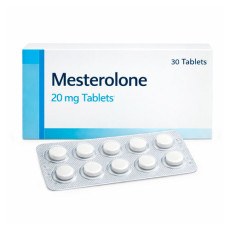
| Mesterolone 20 mg comprimés | 102.40 € |
FAQ: Médicaments contre l'Andropause en 2026
-
Est-il nécessaire d’avoir une ordonnance pour acquérir Médicaments contre l'Andropause en pharmacie ?
-
Quelles sont les méthodes de paiement acceptées ?
-
Quel est le prix de Médicaments contre l'Andropause en France ?
-
Puis-je acheter Médicaments contre l'Andropause via votre pharmacie en ligne ?
-
Que dois-je savoir concernant la livraison ?
-
Médicaments contre l'Andropause est un produit légal en France ?
-
Produits les plus vendus dans la pharmacie