


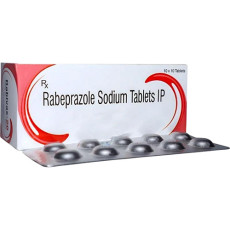
Medications for Erosive Gastritis
Erosive gastritis is a condition characterized by inflammation and erosion of the stomach lining, which can cause symptoms like pain, bleeding, and discomfort. Prompt diagnosis and effective treatment are essential to prevent complications such as bleeding or ulcer formation. Managing this condition involves medications that reduce stomach acidity, protect the gastric mucosa, and address underlying causes. Scientific studies highlight that early intervention improves symptom control and enhances quality of life, making it crucial to seek medical advice promptly.
What is Erosive Gastritis?
Erosive gastritis involves inflammation of the stomach lining accompanied by erosions or superficial ulcers. It primarily affects the gastric mucosa and can be either acute or chronic, with the acute form often linked to recent injury or stress, while the chronic form develops over time due to persistent factors. This condition is quite common, especially among older adults and those with certain risk factors. Early diagnosis is vital because untreated erosive gastritis can lead to bleeding or ulceration, increasing health risks and complicating recovery. Recognizing symptoms early allows for timely treatment, reducing the risk of severe complications.
Definition and Main Characteristics of Erosive Gastritis
Erosive gastritis is a type of gastric inflammation characterized by damage to the stomach lining that results in erosions or superficial ulcers. Causes include the use of nonsteroidal anti-inflammatory drugs (NSAIDs), alcohol consumption, stress, infections like Helicobacter pylori, and autoimmune conditions. The disease can evolve rapidly if risk factors persist, leading to bleeding or perforation in severe cases. It primarily affects middle-aged and elderly populations, with risk factors such as chronic medication use and lifestyle habits. The severity varies from mild erosions to extensive ulceration, requiring different treatment approaches. Understanding these features helps in tailoring effective management strategies.
Symptoms of Erosive Gastritis
Symptoms of erosive gastritis often include upper abdominal pain, nausea, vomiting, and sometimes bleeding, which may manifest as vomiting blood or black stools. The severity of symptoms can fluctuate, with some individuals experiencing mild discomfort and others facing significant pain or bleeding episodes. Recognizing early signs is crucial, as prompt treatment can prevent progression. Symptoms may resemble those of other gastrointestinal disorders, so medical evaluation is essential for accurate diagnosis. In advanced stages, anemia or severe bleeding may occur, demanding urgent care.
How to Recognize Early Signs of Erosive Gastritis
Early signs typically include mild epigastric pain, a feeling of fullness, and occasional nausea. Some patients may notice dark stools or vomiting blood, indicating bleeding. These symptoms can be mistaken for indigestion or other minor issues, but persistent or worsening signs warrant medical attention. Key indicators include:
- Persistent upper abdominal discomfort
- Unexplained vomiting, especially if blood is present
- Black or tarry stools
Causes and Risk Factors of Erosive Gastritis
Several factors contribute to the development of erosive gastritis, including the prolonged use of NSAIDs, alcohol abuse, stress, infections like Helicobacter pylori, and autoimmune disorders. External factors such as smoking, poor diet, and environmental toxins also play a role. Internal factors include genetic predispositions and chronic illnesses. Age is a significant risk factor, with older adults being more susceptible. Recognizing these causes helps in implementing preventive measures and reducing disease incidence.
Factors Causing Erosive Gastritis
The main contributors include:
- NSAID use: These drugs inhibit protective prostaglandins, weakening the stomach lining
- Alcohol consumption: It irritates and damages the gastric mucosa
- Stress: Physical or emotional stress can impair mucosal defenses
- Helicobacter pylori infection: Bacteria that cause inflammation and erosion
- Autoimmune conditions: Where immune responses attack gastric tissues
Types of Medications and Treatments
The treatment of erosive gastritis depends on severity and underlying causes. Mild cases may respond to over-the-counter remedies, but more severe or persistent cases require prescription medications. The goal is to reduce acid production, protect the stomach lining, and eradicate infections if present. Medical supervision ensures appropriate therapy tailored to individual needs, especially in vulnerable populations like children, pregnant women, or the elderly. Scientific evidence supports that combining lifestyle modifications with pharmacotherapy yields the best outcomes.
Medications for Erosive Gastritis
The main groups of drugs used include:
- Proton pump inhibitors (PPIs): Examples include omeprazole and esomeprazole, which significantly reduce gastric acid secretion and promote healing.
- H2 receptor antagonists: Such as ranitidine and famotidine, which decrease acid production and are useful for mild to moderate cases.
- Antacids: Like magnesium hydroxide or aluminum hydroxide, which provide quick symptom relief by neutralizing stomach acid.
- Protective agents: Sucralfate forms a barrier over erosions, aiding in mucosal healing.
- Antibiotics: Used if Helicobacter pylori infection is diagnosed, typically a combination therapy.
Natural Remedies for Erosive Gastritis
Complementary approaches may include natural remedies such as:
- Chamomile tea: Known for its anti-inflammatory and soothing properties
- Aloe vera juice: May help reduce inflammation and promote healing
- Licorice root (deglycyrrhizinated): Can protect the gastric mucosa
- Probiotics: Support gut health and may reduce Helicobacter pylori colonization
- Dietary adjustments: Incorporating gentle, non-irritating foods and avoiding spicy or acidic items
Forms and Presentations: Tablets, Capsules, Gels
Medications for erosive gastritis are available in various forms, including tablets, capsules, suspensions, and topical gels. Tablets and capsules are the most common, offering ease of use and rapid absorption. Gels or suspensions can provide localized relief and are often used in severe cases or for patients with swallowing difficulties. Injections are reserved for acute or severe cases requiring hospitalization. Each form offers specific advantages, such as quick action or targeted delivery, tailored to patient needs.
Over-the-Counter (OTC) Medications
For mild symptoms, OTC medications like antacids and H2 blockers can provide relief. These include products containing magnesium hydroxide, calcium carbonate, or famotidine. They are suitable for occasional use but should not replace medical evaluation if symptoms persist or worsen. It is important to follow dosing instructions carefully and consult a healthcare professional if symptoms continue beyond a few days or if bleeding occurs. These options are intended for temporary relief and not for long-term management without medical advice.
Diagnosis and When to See a Doctor
Accurate diagnosis of erosive gastritis involves medical history assessment, physical examination, and diagnostic tests. Endoscopy is the gold standard, allowing direct visualization of the stomach lining and biopsy if needed. Laboratory tests, such as blood counts and stool analysis, help detect bleeding or infection. Self-diagnosis is discouraged, as symptoms overlap with other gastrointestinal conditions. Early consultation with a healthcare provider ensures appropriate treatment and prevents complications. Regular monitoring is essential for chronic cases to assess healing and adjust therapy accordingly.
Diagnostic Tests for Erosive Gastritis
Key diagnostic methods include:
- Endoscopy: Visualizes erosions, ulcers, and bleeding sites, with biopsy for Helicobacter pylori detection
- Blood tests: Detect anemia or infection markers
- Stool tests: Identify occult blood or bacterial presence
- Imaging studies: Such as barium swallow in certain cases
Signs Requiring Immediate Medical Attention
Urgent medical care is necessary if symptoms include:
- Severe or persistent vomiting, especially if blood is present
- Black, tarry stools indicating gastrointestinal bleeding
- Sudden, intense abdominal pain
- Signs of shock, such as dizziness, rapid heartbeat, or fainting
Precautions and Side Effects
Medications, even those considered safe, can cause side effects, particularly if misused or in vulnerable populations. Common adverse effects include nausea, headache, or gastrointestinal discomfort. Serious reactions like allergic responses, liver issues, or cardiovascular problems are rare but require immediate medical attention. Following prescribed dosages, monitoring for adverse symptoms, and regular medical check-ups help minimize risks. Special caution is advised for children, pregnant women, the elderly, and patients with chronic illnesses, who may be more susceptible to side effects.
Most Common Side Effects
Side effects vary by medication class:
- Proton pump inhibitors: Headaches, diarrhea, or abdominal pain (mild, common)
- H2 blockers: Fatigue, dizziness, or rash (less common)
- Antacids: Constipation or diarrhea, depending on composition
- Allergic reactions: Rash, swelling, or difficulty breathing (rare but serious)
Safe Medication Use Tips
To ensure safe medication use:
- Follow prescribed dosages strictly
- Avoid mixing medications with alcohol or certain foods unless approved
- Store medicines in a cool, dry place away from children
- Attend regular follow-up appointments for monitoring
- Report any adverse effects promptly to your healthcare provider
Prevention and Daily Care
Preventive measures and healthy daily habits are vital in managing erosive gastritis risk. Regular medical check-ups, a balanced diet, stress management, and avoiding irritants like NSAIDs and alcohol help protect the stomach lining. Recognizing early symptoms and seeking prompt medical advice can prevent disease progression. Lifestyle modifications tailored to individual risk factors enhance treatment effectiveness and overall well-being. Educating oneself about the disease and adhering to medical recommendations are key components of long-term management.
Recommended Habits to Reduce Erosive Gastritis Risk
Effective habits include:
- Eating a balanced, non-irritating diet rich in fruits, vegetables, and fiber
- Avoiding spicy, acidic, or fried foods that can irritate the stomach
- Limiting alcohol and tobacco consumption
- Managing stress through relaxation techniques or exercise
- Maintaining a healthy weight and regular physical activity
Additional Preventive Measures
Secondary prevention involves routine medical examinations, especially for high-risk groups, vaccination against Helicobacter pylori when appropriate, and adherence to prescribed medications. Supplementing with vitamins or probiotics may support mucosal healing and gut health. Following medical advice and monitoring symptoms help detect early signs of relapse or complications. These measures collectively reduce the likelihood of disease recurrence and promote overall digestive health.
Prognosis and Recovery
The outlook for erosive gastritis largely depends on early diagnosis, the severity of mucosal damage, and adherence to treatment. Most patients respond well to appropriate therapy, with healing occurring within weeks. Continuous lifestyle modifications and medical follow-up improve long-term outcomes. In chronic cases, ongoing management and monitoring are necessary to prevent recurrence. Overall, with proper care, the prognosis is favorable, and many individuals recover fully or achieve remission.
Typical Recovery Time
The recovery period varies based on disease severity:
| Case Type | Average Recovery Duration | Comments |
|---|---|---|
| Mild erosive gastritis | Several days to 2 weeks | Symptoms often resolve quickly with treatment |
| Moderate to severe cases | 2 to 6 weeks | Healing may require prolonged therapy and lifestyle changes |
| Chronic gastritis | Months, with ongoing management | Requires regular monitoring and adjustments |
Factors Improving Prognosis
Factors that enhance recovery include:
- Early diagnosis and prompt initiation of therapy
- Adherence to prescribed medications and lifestyle modifications
- Effective management of underlying causes, such as Helicobacter pylori infection
- Regular follow-up and monitoring
- Patient education and active participation in care
Lifestyle Changes for Better Outcomes
The recovery of erosive gastritis also depends on adopting healthier habits. Patients are advised to:
- Eat smaller, more frequent meals to reduce gastric load
- Avoid known irritants like alcohol, NSAIDs, and spicy foods
- Manage stress through relaxation techniques or physical activity
- Quit smoking to improve mucosal healing
- Maintain good sleep hygiene and regular exercise
Possible Complications
If left untreated or poorly managed, erosive gastritis can lead to serious complications. These include gastrointestinal bleeding, anemia, perforation, and in rare cases, gastric obstruction. Such complications can significantly impair quality of life and may require emergency interventions. Preventing these outcomes relies on timely diagnosis, appropriate treatment, and patient compliance. Regular medical follow-up is essential to detect early signs of deterioration and to adjust therapy accordingly. With proper management, most patients avoid long-term adverse effects and recover satisfactorily.
Where to Buy Medications for Erosive Gastritis
Medications for erosive gastritis are widely available in pharmacies and online stores. It is crucial to verify the legitimacy of the pharmacy and ensure the quality and authenticity of the medicines purchased. Avoiding counterfeit products is essential for safety and efficacy. Our pharmacy in France offers a comprehensive selection of approved medications, all available with proper prescriptions or over-the-counter, depending on the product. Buying from reputable sources guarantees access to genuine treatments and professional support.
Shop Safely in an Authorized Online Pharmacy
Purchasing from our licensed online pharmacy provides several advantages, including expert advice, guaranteed product quality, and secure transactions. We ensure all medicines are stored and shipped under controlled conditions, maintaining their efficacy. Before buying, verify the pharmacy's license, check the packaging and expiration date, and consult a pharmacist if needed. Our platform offers discreet packaging, reliable delivery options, and easy return policies, making your shopping experience safe and convenient.
Can You Buy Medications Online Without a Prescription?
In France, all medications for erosive gastritis can be purchased online without a prescription through our pharmacy, provided they are OTC products like antacids and certain H2 blockers. However, for prescription medications such as PPIs or antibiotics, a valid prescription is required. It is important to follow legal regulations and consult a healthcare professional before initiating treatment. Buying medications online should always be done responsibly, ensuring authenticity and safety. Always verify the credentials of the online pharmacy and avoid unverified sources to prevent counterfeit products.
Shipping Options and Quality Assurance
We offer multiple shipping methods, including standard, express, and international delivery, to suit your needs. All shipments are carefully tracked, with batch traceability and temperature control measures in place to preserve medication integrity. Packaging is discreet and secure, ensuring privacy and protection during transit. Our quality assurance protocols include regular audits, compliance with safety standards, and rigorous handling procedures. These measures guarantee that your medications arrive safely and in optimal condition, providing peace of mind with every order.
Prices, Availability, and Discounts in French Pharmacies
The cost of medications for erosive gastritis in France varies depending on factors such as brand versus generic, dosage, formulation (tablets, capsules, liquids), and whether a prescription is needed. Prices can fluctuate based on regional differences, pharmacy type, and ongoing promotions. Availability may differ; some formulations are in stock, while others require special ordering. Many pharmacies offer discounts, coupons, and loyalty programs to reduce costs. Comparing prices between online and brick-and-mortar pharmacies, and staying informed about current promotions, can help you access affordable treatment options. If you need a specific form or dosage, consulting your pharmacist beforehand ensures proper procurement and alternatives if necessary.
| Produits en pharmacie | Prix |
|---|---|
| Rabéprazole sodique | 0.00 € |
FAQ: Médicaments contre la Gastrite Érosive en 2026
-
Est-il nécessaire d’avoir une ordonnance pour acquérir Médicaments contre la Gastrite Érosive en pharmacie ?
-
Quelles sont les méthodes de paiement acceptées ?
-
Quel est le prix de Médicaments contre la Gastrite Érosive en France ?
-
Puis-je acheter Médicaments contre la Gastrite Érosive via votre pharmacie en ligne ?
-
Que dois-je savoir concernant la livraison ?
-
Médicaments contre la Gastrite Érosive est un produit légal en France ?