


Medications for Glaucoma
Glaucoma is a group of eye conditions that damage the optic nerve, often associated with increased intraocular pressure (IOP). It is one of the leading causes of irreversible blindness worldwide, affecting millions of people, especially those over 40. Early diagnosis and effective treatment are crucial to prevent vision loss and preserve eye health. Timely intervention can control symptoms, slow disease progression, and significantly improve quality of life, as supported by numerous clinical studies emphasizing the importance of early management.
What is Glaucoma?
Glaucoma is a chronic eye disease characterized by progressive optic nerve damage, which can lead to permanent vision loss if untreated. It primarily affects the visual field and is often linked to elevated intraocular pressure, although some forms can occur with normal pressure. The disease develops gradually, often without noticeable symptoms in early stages, making regular eye examinations essential. Rapid diagnosis and treatment are vital because once vision is lost, it cannot be restored, underscoring the importance of early detection.
Definition and Main Characteristics of Glaucoma
Glaucoma is a neurodegenerative condition involving damage to the optic nerve, typically caused by increased intraocular pressure or other factors affecting eye drainage. It is classified mainly into open-angle glaucoma (most common) and angle-closure glaucoma. The disease tends to progress slowly, often asymptomatically at first, but can lead to significant visual impairment over time. Risk factors include age, family history, certain ethnicities, and comorbidities like diabetes. The disease's severity varies, and early intervention can prevent severe visual loss. Below is a summary of key features:
| Characteristic | Description |
|---|---|
| Type | Open-angle, angle-closure, secondary, congenital |
| Progression | Gradual, often asymptomatic initially |
| Risk groups | Older adults, family history, certain ethnicities (e.g., African, Asian) |
| Severity | Variable; can lead to blindness if untreated |
Symptoms of Glaucoma
In the early stages, glaucoma often presents with no noticeable symptoms, which is why regular eye exams are essential. As the disease advances, patients may notice peripheral vision loss, seeing halos around lights, or experiencing eye discomfort. In angle-closure glaucoma, symptoms can be sudden and severe, including intense eye pain, nausea, blurred vision, and redness. Recognizing these signs early allows for prompt treatment, which can prevent irreversible damage. The gradual nature of symptoms in most cases makes routine screening vital for early detection.
How to Recognize Early Signs of Glaucoma
Early symptoms are often subtle and may include:
- Gradual loss of peripheral vision
- Seeing halos around lights
- Occasional eye discomfort or mild eye redness
Causes and Risk Factors of Glaucoma
Glaucoma results from impaired drainage of aqueous humor within the eye, leading to increased intraocular pressure. Several internal and external factors contribute to its development. Internal factors include genetic predisposition and anatomical variations, while external factors encompass lifestyle, environmental influences, and certain medical conditions. Age is a significant risk factor, with prevalence increasing after 40 years. Other factors such as diabetes, hypertension, and eye injuries also elevate the risk. Recognizing these factors helps in early screening and prevention strategies.
Factors Contributing to Glaucoma
Key contributors include:
- Genetic predisposition: family history increases risk
- Age: risk rises with advancing age
- Ethnicity: higher prevalence in African and Asian populations
- Medical conditions: diabetes, hypertension, myopia
- Environmental factors: prolonged use of corticosteroids, eye trauma
Types of Medications and Treatments
Managing glaucoma primarily involves lowering intraocular pressure through medications, laser therapy, or surgery. The choice depends on disease severity, patient age, and overall health. While some mild cases may initially be managed with eye drops, more advanced stages often require combination therapies or surgical interventions. Always under medical supervision, treatment aims to halt or slow disease progression, as supported by extensive clinical research.
Medications for Glaucoma Treatment
The main drug groups include:
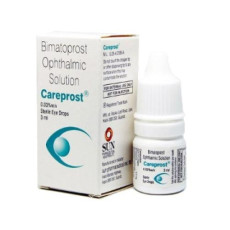
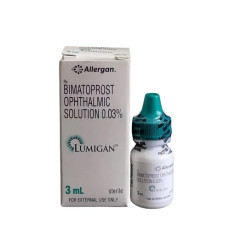
- Prostaglandin analogs (e.g., latanoprost): increase aqueous humor outflow
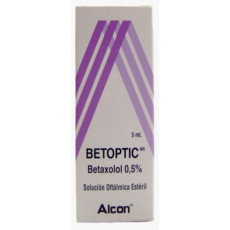
- Beta-blockers (e.g., timolol): reduce aqueous humor production
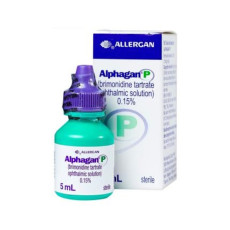
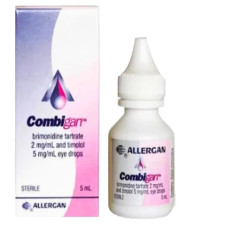
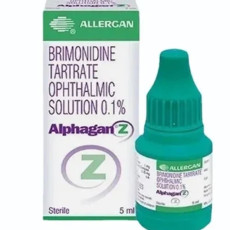
- Alpha-adrenergic agonists (e.g., brimonidine): decrease production and increase outflow
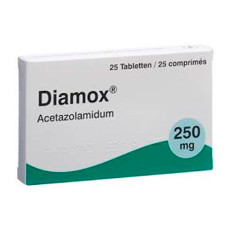
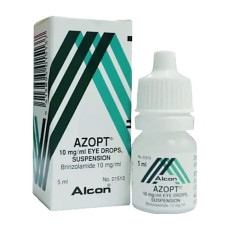
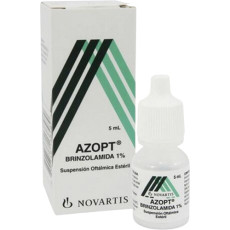
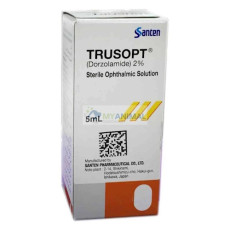
- Carbonic anhydrase inhibitors (e.g., dorzolamide): lower intraocular pressure by reducing fluid formation
- Cholinergic agents (e.g., pilocarpine): facilitate drainage by constricting the pupil
Natural Remedies for Glaucoma
While medications are essential, some complementary approaches may support eye health, such as:
- Maintaining a diet rich in antioxidants (fruits, vegetables)
- Regular eye exercises and relaxation techniques
- Omega-3 fatty acids supplementation
- Proper hydration and avoiding caffeine overload
- Stress management practices
Forms and Presentations: Tablets, Capsules, Gels
Medications for glaucoma are available in various forms, including eye drops, tablets, capsules, gels, and injections. Eye drops are the most common, offering targeted delivery with minimal systemic absorption. Tablets and capsules are used for systemic control when necessary, often in combination therapies. Gels and ointments may be used for sustained release, providing longer-lasting effects. Injections are reserved for advanced cases or surgical adjuncts. Each form offers specific advantages, such as rapid action or prolonged effect, tailored to patient needs.
Over-the-Counter (OTC) Medications
In general, medications for glaucoma require a prescription; however, some eye lubricants or artificial tears are available OTC to relieve dryness or irritation. These do not treat intraocular pressure but can improve comfort. It is crucial to consult an eye care professional before using any OTC product for glaucoma management. Persistent symptoms or worsening vision necessitate medical evaluation, as self-medication may delay appropriate treatment.
Diagnosis and When to See a Doctor
Diagnosis of glaucoma involves comprehensive eye examinations, including intraocular pressure measurement, optic nerve assessment, visual field testing, and gonioscopy. These tests help determine the type and severity of the disease. Regular screening is vital because early stages often lack symptoms, and untreated glaucoma can cause irreversible vision loss. Only qualified ophthalmologists can accurately diagnose and tailor treatment plans, emphasizing the importance of avoiding self-diagnosis and self-treatment.
Diagnostic Tests for Glaucoma
Common diagnostic methods include:
- Tonometry: measures intraocular pressure
- Optic nerve imaging: assesses nerve damage
- Visual field testing: detects peripheral vision loss
- Gonioscopy: examines anterior chamber angle
Signs Requiring Immediate Medical Attention
Sudden onset of severe eye pain, nausea, vomiting, blurred vision, halos around lights, or redness indicates an acute angle-closure glaucoma attack. These symptoms require urgent medical care to prevent permanent vision loss. Delay in treatment can lead to rapid optic nerve damage, emphasizing the need for immediate consultation with an eye specialist if such signs occur.
Precautions and Side Effects
While glaucoma medications are generally safe when used correctly, they can cause side effects. Proper adherence to prescribed dosages and instructions minimizes risks. Patients with certain conditions, such as children, pregnant women, or those with systemic illnesses, should exercise caution and consult their healthcare provider. Monitoring for adverse reactions ensures safe treatment and optimal outcomes.
Common Side Effects
Side effects vary by medication class:
- Prostaglandin analogs: eye redness, eyelash growth
- Beta-blockers: fatigue, cold extremities, respiratory issues
- Alpha-agonists: dry mouth, fatigue
- Carbonic anhydrase inhibitors: tingling in fingers, taste changes
Safe Medication Use Tips
To ensure safe medication use:
- Follow prescribed dosages strictly
- Store medications in a cool, dry place away from children
- Avoid mixing medications unless advised
- Report any side effects to your doctor promptly
- Attend regular check-ups for ongoing assessment
Prevention and Daily Care
Preventive measures and healthy habits play a key role in managing glaucoma risk. Regular eye examinations, especially after age 40, can detect early signs. Maintaining a balanced diet, exercising regularly, avoiding smoking, and managing systemic health conditions contribute to overall eye health. Early recognition of symptoms and prompt medical consultation are essential for preventing progression and preserving vision. Tailoring prevention strategies to individual risk factors enhances their effectiveness.
Recommended Habits to Reduce Glaucoma Risk
Effective habits include:
- Eating a diet rich in antioxidants and omega-3 fatty acids
- Engaging in moderate physical activity
- Managing blood pressure and blood sugar levels
- Protecting eyes from injury and UV exposure
- Reducing stress through relaxation techniques
Additional Preventive Measures
Secondary prevention involves routine eye screenings, especially for high-risk groups. Vaccinations, where applicable, can prevent infections that may contribute to ocular complications. Supplementing with vitamins or minerals may support eye health, but always under medical supervision. Following your healthcare provider’s recommendations ensures comprehensive care, reducing the likelihood of disease progression and enhancing overall well-being.
Prognosis and Recovery
The outlook for glaucoma patients depends on disease type, stage at diagnosis, and treatment adherence. Early detection and consistent management generally lead to favorable outcomes, preventing significant vision loss. Following medical advice and maintaining a healthy lifestyle can accelerate recovery and improve prognosis. While some cases require lifelong treatment, many patients maintain functional vision with proper care, as supported by clinical studies.
Typical Recovery Time
The recovery period varies with disease severity and treatment type. Mild cases managed with eye drops may stabilize within days to weeks, whereas more advanced or surgical cases might require several weeks or months for stabilization. Chronic glaucoma often necessitates ongoing management, with gradual improvements and regular monitoring. The table below summarizes typical recovery durations:
| Type of Case | Average Recovery Duration | Comments |
|---|---|---|
| Mild glaucoma (medication only) | Days to weeks | Stabilization with consistent treatment |
| Post-surgical intervention | Several weeks to months | Gradual healing and adjustment |
| Chronic glaucoma | Ongoing management | Requires regular follow-up |
Factors Improving Prognosis
Key factors include:
- Early diagnosis and prompt treatment initiation
- Adherence to prescribed therapy
- Regular follow-up visits
- Healthy lifestyle choices
- Effective management of comorbidities
Lifestyle Changes for Better Outcomes
Patients are advised to adopt habits that support eye health, such as maintaining a balanced diet, exercising regularly, avoiding smoking, managing stress, and protecting eyes from injury. These lifestyle modifications can help slow disease progression and improve overall well-being. Consistent medication use and routine check-ups are also crucial components of effective management.
Potential Complications
If left untreated or poorly controlled, glaucoma can lead to serious complications, including irreversible blindness, optic nerve atrophy, and loss of peripheral vision. Less severe issues may involve chronic eye discomfort or increased sensitivity to light. Preventing these outcomes depends on timely diagnosis, adherence to treatment, and ongoing monitoring. The table below summarizes possible complications:
| Complication | Frequency | Severity | Prevention |
|---|---|---|---|
| Irreversible vision loss | Common in untreated cases | Severe | Early detection and treatment |
| Optic nerve atrophy | Progressive without management | Severe | Regular monitoring and therapy adherence |
| Chronic eye discomfort | Possible with medication side effects | Minor to moderate | Monitoring and adjusting treatment |
Where to Buy Glaucoma Medications
Medications for glaucoma are widely available at pharmacies and through online platforms. Ensuring the authenticity and quality of medicines is essential, so it is recommended to purchase from licensed pharmacies. Beware of counterfeit products, which can be ineffective or harmful. All medications for glaucoma are accessible via our online pharmacy in France, strictly requiring a prescription for prescription-only drugs, ensuring safety and compliance with regulations.
Shop Safely in a Licensed Online Pharmacy
Buying from an accredited online pharmacy offers numerous benefits, including professional advice, guaranteed product quality, and secure transactions. Always verify the pharmacy’s license, check for proper packaging, expiration dates, and consult a pharmacist if needed. Reliable online pharmacies provide discreet packaging, clear product information, and easy return policies, ensuring a safe shopping experience. These precautions help protect your health and ensure you receive genuine medications.
Can You Purchase Glaucoma Medications Online Without a Prescription?
In France, all medications for glaucoma, including eye drops and systemic drugs, require a prescription; however, our pharmacy provides a secure platform where these medications can be purchased online with a valid prescription. It is important to follow legal and safety guidelines when ordering medications online. Always ensure that your healthcare provider has prescribed the medication and that you provide the correct documentation during purchase. Buying without a prescription is not recommended, as proper diagnosis and monitoring are essential for effective glaucoma management.
- Verify the pharmacy’s licensing and credentials
- Ensure the authenticity of medications
- Consult your healthcare provider before purchase
- Check for secure payment options
- Confirm delivery tracking and confidentiality
Shipping Options and Quality Assurance
Our online pharmacy offers various shipping methods, including standard, express, and international delivery, tailored to your needs. Strict quality control measures are in place, such as batch traceability, temperature regulation during transit, and secure, discreet packaging. Tracking your order ensures transparency, and adherence to safety standards guarantees that medications arrive in optimal condition. These measures help maintain product integrity and customer satisfaction.
Pricing, Availability, and Discounts in French Pharmacies
The cost of glaucoma medications in France varies depending on factors such as brand versus generic, dosage, formulation, and distribution channels. Prices are influenced by regional differences, pharmacy policies, and ongoing promotions. Some forms, like eye drops, are usually readily available, while others may require special ordering. Many pharmacies offer discounts, coupons, and loyalty programs, making treatment more affordable. Comparing prices between physical and online pharmacies, and consulting your pharmacist about available generics or discounts, can help optimize your budget. If a specific formulation or dosage is needed, early inquiry about availability and alternatives is advisable to ensure timely access to treatment.
| Produits en pharmacie | Prix |
|---|---|
| Alphagan 5 ml Collyre | 104.86 € |
| Betoptic 5 ml Collyre | 77.13 € |
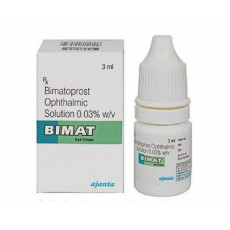
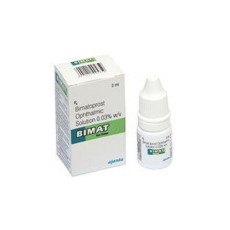
| Bimat 0.3 mg Collyre | 78.86 € |
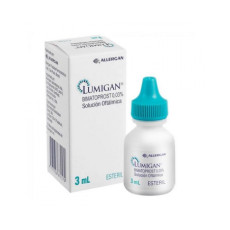
| Lumigan 0.1 mg 3 ml Collyre | 116.13 € |
| Careprost 0.3 mg Collyre | 82.33 € |
FAQ: Médicaments contre le Glaucome en 2026
-
Est-il nécessaire d’avoir une ordonnance pour acquérir Médicaments contre le Glaucome en pharmacie ?
-
Quelles sont les méthodes de paiement acceptées ?
-
Quel est le prix de Médicaments contre le Glaucome en France ?
-
Puis-je acheter Médicaments contre le Glaucome via votre pharmacie en ligne ?
-
Que dois-je savoir concernant la livraison ?
-
Médicaments contre le Glaucome est un produit légal en France ?
-
Produits les plus vendus dans la pharmacie