


Medications for Hyperpigmentation: An Informative Overview
Hyperpigmentation is a common skin condition characterized by darkened patches or spots on the skin, resulting from excess melanin production. It can affect individuals of all ages and skin types, often caused by sun exposure, hormonal changes, or skin injuries. Prompt diagnosis and appropriate treatment are essential to prevent the condition from worsening and to improve skin appearance, thereby enhancing quality of life. Scientific studies highlight that early intervention can significantly reduce the persistence of hyperpigmented areas and minimize psychological impacts such as self-consciousness or social discomfort.
What Is Hyperpigmentation?
Hyperpigmentation refers to the darkening of specific skin areas due to increased melanin, the pigment responsible for skin color. It primarily affects the epidermis, the outermost skin layer, and is usually a chronic condition that can develop gradually over time. While it is generally benign, early diagnosis is crucial because untreated hyperpigmentation may become more prominent or resistant to treatment. It is common among people with prolonged sun exposure, hormonal fluctuations, or skin trauma, and can impact any part of the body, especially the face, hands, and arms. Recognizing the condition early allows for more effective management and prevents cosmetic concerns from escalating.
Definition and Main Characteristics of Hyperpigmentation
Hyperpigmentation is a skin disorder characterized by the appearance of darker patches or spots caused by an overproduction of melanin. Causes include sun exposure, hormonal changes such as pregnancy or contraceptive use, skin injuries, or inflammatory conditions. It tends to evolve slowly and can be localized or widespread, often persisting for months or years if untreated. Key features include irregularly shaped, well-defined dark areas that may vary in size and color intensity. Risk groups include individuals with darker skin tones, those with frequent sun exposure, and women experiencing hormonal fluctuations. The condition is generally benign but can have psychological effects, making treatment important for both aesthetic and emotional well-being.
| Type of Hyperpigmentation | Characteristics | Common Causes |
|---|---|---|
| Age spots (solar lentigines) | Flat, brownish patches, usually on sun-exposed areas | Chronic sun exposure |
| Melasma | Symmetrical, irregular patches, often on the face | Hormonal changes, sun exposure |
| Post-inflammatory hyperpigmentation | Dark spots following skin injury or inflammation | Acne, cuts, burns |
Symptoms of Hyperpigmentation
The primary symptom of hyperpigmentation is the appearance of darker patches or spots on the skin, which can vary in size, shape, and color intensity. These areas are usually asymptomatic but may become more noticeable over time. The pigmentation tends to be stable but can deepen or spread if exposed to triggers like sunlight or hormonal fluctuations. Recognizing early signs, such as small dark spots or patches, helps initiate treatment promptly, preventing further darkening. The condition is often mistaken for other skin issues, but the key distinguishing feature is the localized increase in pigmentation without other symptoms like pain or itching.
Recognizing Early Signs of Hyperpigmentation
Early indicators include small, flat, darkened spots that develop gradually. These patches are often symmetrical and appear on sun-exposed areas such as the face, hands, or shoulders. They are usually well-defined and do not cause discomfort, making them easy to overlook initially. Differentiating hyperpigmentation from other skin conditions involves noting the uniformity of color and the absence of inflammation or scaling. Prompt identification allows for early intervention, which can improve treatment outcomes and prevent progression.
Causes and Risk Factors of Hyperpigmentation
Hyperpigmentation results from various internal and external factors that stimulate melanin overproduction. Common causes include excessive sun exposure, hormonal changes during pregnancy or contraceptive use, skin injuries, and inflammatory skin conditions. Environmental factors such as pollution and UV radiation can exacerbate pigmentation, especially in genetically predisposed individuals. Lifestyle habits like smoking or certain medications may also contribute. Age-related changes and genetic predisposition further influence susceptibility, making some populations more prone to developing hyperpigmentation. Recognizing these risk factors is vital for implementing preventive measures and reducing the likelihood of occurrence.
Factors Contributing to Hyperpigmentation
Main contributors include:
- Sun exposure: UV rays stimulate melanin production, leading to sun spots and melasma.
- Hormonal fluctuations: Pregnancy, birth control pills, and hormone therapy can trigger melasma.
- Skin injuries and inflammation: Cuts, burns, or acne scars can cause post-inflammatory hyperpigmentation.
- Genetic predisposition: Some individuals inherit a higher tendency for pigmentation issues.
- Environmental pollutants: Exposure to pollution can worsen pigmentation, especially in urban areas.
Understanding that multiple factors often interact emphasizes the importance of comprehensive prevention strategies to mitigate hyperpigmentation risk.
Types of Medications and Treatments
Managing hyperpigmentation involves a combination of topical treatments, procedural interventions, and lifestyle modifications. The choice of therapy depends on the severity, location, and type of pigmentation, as well as patient-specific factors like age and skin type. Mild cases may respond well to over-the-counter products, while more persistent or severe hyperpigmentation often requires prescription medications or dermatological procedures. Consulting a healthcare professional ensures tailored treatment plans that maximize efficacy and safety.
Medications for Hyperpigmentation
Several classes of medications are used to treat hyperpigmentation, each targeting different aspects of melanin synthesis. These include:
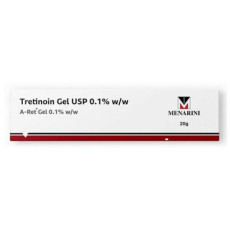
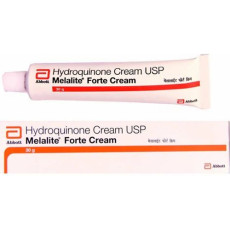
- Depigmenting agents: Such as hydroquinone, which inhibits tyrosinase, an enzyme involved in melanin production.
- Retinoids: Like tretinoin, which promote skin cell turnover and help fade pigmented spots.
- Azelaic acid: Reduces melanin synthesis and has anti-inflammatory properties.
- Corticosteroids: Sometimes combined with other agents to reduce inflammation and pigmentation.
In addition, combination therapies often enhance results, especially in stubborn cases. The selection of medication should always be guided by a dermatologist to minimize risks and optimize outcomes.
Natural Remedies for Hyperpigmentation
Complementary approaches include natural remedies that may help lighten pigmented areas, although they should not replace medical treatments. Examples include:
- Vitamin C serums: Known for their antioxidant properties and ability to inhibit melanin synthesis.
- Aloe vera gel: Contains aloin, which may lighten dark spots when used regularly.
- Licorice extract: Contains glabridin, which can reduce pigmentation.
- Green tea extracts: Rich in antioxidants that may help improve skin tone.
- Exfoliation with natural agents: Such as sugar or oatmeal, to remove dead skin cells and promote renewal.
While these remedies can provide some benefit, they should be used as adjuncts under medical supervision to ensure safety and effectiveness.
Forms and Presentations: Tablets, Capsules, Gels
Medications for hyperpigmentation are available in various forms, each suited to different treatment needs. Topical creams and gels are the most common, offering direct application to affected areas for localized action. Oral tablets and capsules may be prescribed for widespread or resistant cases, providing systemic effects. Pommades and ointments are preferred for targeted therapy, while injectable formulations are less common but may be used in specialized procedures. The choice depends on the severity and location of pigmentation, as well as patient preferences and medical advice.
Over-the-Counter (OTC) Medications
For mild hyperpigmentation, OTC products containing ingredients like hydroquinone, kojic acid, or niacinamide can be effective. These options are generally safe for short-term use but require consistent application. It is important to follow product instructions carefully and monitor skin response. If symptoms persist beyond a few months or worsen, consulting a healthcare professional is recommended. OTC treatments are suitable for early or minor cases but are not substitutes for professional medical advice in more severe situations.
Diagnosis and When to See a Doctor
Accurate diagnosis of hyperpigmentation involves a clinical examination by a dermatologist, who assesses the skin's appearance and medical history. Additional tests, such as Wood's lamp examination or skin biopsies, may be performed to confirm the diagnosis and exclude other conditions. Early consultation is important because some pigmented lesions may mimic more serious skin disorders, including melanoma. Self-diagnosis and treatment without professional guidance can lead to ineffective results or worsening of the condition. Therefore, seeking expert advice ensures appropriate management tailored to individual needs.
Diagnostic Tests and Methods for Hyperpigmentation
Diagnosis typically involves visual inspection and dermoscopic evaluation to characterize pigmentation patterns. In some cases, Wood's lamp examination helps differentiate epidermal from dermal pigmentation. Laboratory tests are rarely necessary but may include skin biopsies to exclude other skin diseases. Imaging techniques like reflectance confocal microscopy can provide detailed insights into pigmentation depth. Proper diagnosis guides effective treatment planning and helps monitor progress over time.
Signs Requiring Immediate Medical Attention
Any sudden change in pigmentation, such as rapid darkening, irregular borders, or the appearance of new, asymmetrical lesions, warrants urgent medical evaluation. Symptoms like bleeding, ulceration, or pain associated with pigmented areas should also prompt immediate consultation. These signs could indicate malignant transformation or other serious skin conditions. Delayed diagnosis or treatment of such signs can lead to complications, emphasizing the importance of prompt medical attention.
Precautions and Side Effects
While many medications for hyperpigmentation are generally safe when used correctly, they can cause side effects. Overuse or improper application may lead to skin irritation, redness, or allergic reactions. Systemic medications carry risks such as liver toxicity or hormonal effects, especially if misused. Patients with sensitive skin, pregnant women, children, or those with chronic illnesses should exercise caution and consult healthcare providers before starting treatment. Following prescribed dosages and instructions minimizes adverse effects and enhances treatment safety.
Common Side Effects
Side effects vary depending on the medication but may include:
- Skin irritation, redness, or dryness (common with topical agents)
- Allergic reactions such as swelling or rash (rare but serious)
- Gastrointestinal discomfort if oral medications are used
- Potential liver or kidney effects with systemic treatments
Monitoring for adverse reactions and reporting them promptly to a healthcare professional is essential for safe therapy.
Safe Medication Use Tips
- Always adhere to prescribed dosages and application instructions.
- Avoid combining multiple depigmenting agents unless advised by a doctor.
- Store medications in a cool, dry place away from direct sunlight.
- Do not use expired products and check expiration dates regularly.
- Schedule regular follow-up appointments to assess treatment progress.
- Limit sun exposure and use broad-spectrum sunscreens during treatment.
Responsible medication use and ongoing medical supervision are key to achieving optimal results and preventing complications.
Prevention and Daily Care
Preventing hyperpigmentation involves adopting daily habits that protect the skin from triggers like UV radiation and inflammation. Regular use of broad-spectrum sunscreens, wearing protective clothing, and avoiding peak sun hours are effective strategies. Maintaining a healthy lifestyle, including balanced nutrition and stress management, also supports skin health. Routine skin examinations help detect early signs of pigmentation changes, enabling timely intervention. Tailoring preventive measures to individual risk factors enhances their effectiveness and reduces the likelihood of recurrence.
Recommended Habits to Reduce Hyperpigmentation Risk
Key habits include:
- Applying sunscreen daily with high SPF, especially on exposed skin
- Wearing protective clothing and wide-brimmed hats during outdoor activities
- Avoiding excessive sun exposure and tanning beds
- Maintaining good skincare routines, including gentle cleansing and moisturizing
- Managing hormonal fluctuations with medical guidance
- Adopting a balanced diet rich in antioxidants to support skin repair
| Domain of Prevention | Recommended Measures | Main Benefits |
|---|---|---|
| Sun protection | Sunscreen, protective clothing, avoiding peak hours | Reduces UV-induced melanin production |
| Skin care | Gentle cleansing, moisturizing, avoiding irritants | Prevents skin inflammation and injury |
| Hormonal regulation | Medical consultation for hormonal therapies | Minimizes hormonal triggers of hyperpigmentation |
Additional Preventive Measures
Secondary preventive actions include regular dermatological check-ups, vaccination against skin infections if applicable, and appropriate use of vitamins such as vitamin C and E to support skin health. Following medical advice on skincare products and avoiding known irritants can further reduce risk. Consistent adherence to these measures not only decreases the likelihood of hyperpigmentation but also promotes overall skin wellness and quality of life.
Prognosis and Recovery
The outlook for hyperpigmentation depends on the type, extent, and timeliness of treatment, as well as individual skin characteristics. Early intervention generally leads to better outcomes, with many cases showing significant improvement or complete resolution. Adherence to prescribed therapies and lifestyle modifications accelerates healing and minimizes recurrence. In some chronic cases, gradual fading may occur over months, requiring ongoing management and monitoring. Overall, with proper care, most individuals can expect a favorable prognosis and improved skin appearance.
Typical Recovery Time
The recovery period varies based on severity. Mild cases may see noticeable improvement within a few weeks, while more extensive or resistant pigmentation might take several months. For superficial hyperpigmentation, symptoms often diminish within 4-8 weeks of consistent treatment. Deeper or longstanding lesions may require 3-6 months or longer, with some cases needing ongoing maintenance. Chronic hyperpigmentation may improve gradually over time with continuous care and sun protection.
| Type of Case | Average Recovery Duration | Comments |
|---|---|---|
| Mild hyperpigmentation | 4-8 weeks | Rapid response with topical treatments |
| Moderate to severe hyperpigmentation | 3-6 months | May require combination therapy and ongoing care |
| Chronic or resistant cases | Several months to years | Requires continuous management and sun protection |
Factors Enhancing Prognosis
- Early diagnosis and prompt initiation of treatment
- Consistent use of prescribed medications and sun protection
- Patient adherence to lifestyle recommendations
- Regular follow-up with healthcare providers
- Minimization of skin trauma and inflammation
These factors significantly increase the likelihood of complete remission and reduce the risk of recurrence.
Lifestyle Changes for Better Outcomes
Adopting healthy habits can accelerate recovery and prevent reappearance. Patients should prioritize sun protection, maintain a balanced diet rich in antioxidants, avoid skin irritants, and manage stress effectively. Quitting smoking and limiting alcohol intake also support skin health. Incorporating these lifestyle modifications enhances treatment efficacy and promotes long-term skin wellness.
Potential Complications of Untreated Hyperpigmentation
If left untreated or poorly managed, hyperpigmentation can lead to psychological distress, social withdrawal, or decreased self-esteem. In rare cases, persistent pigmentation may be mistaken for melanoma or other serious skin conditions, delaying diagnosis and treatment. Chronic inflammation or repeated trauma can worsen pigmentation and cause skin damage. Therefore, timely medical intervention is essential to prevent these complications and ensure optimal skin health.
| Complication | Frequency | Severity | Prevention |
|---|---|---|---|
| Psychological impact | Common | Mild to moderate | Early treatment and counseling |
| Misdiagnosis of skin cancer | Rare | Severe | Professional evaluation and biopsy if needed |
| Persistent skin damage | Variable | Moderate to severe | Proper skin care and sun protection |
With appropriate treatment and ongoing care, most patients recover well and avoid long-term complications, maintaining healthier skin and improved quality of life.
Where to Purchase Medications for Hyperpigmentation
Medications for hyperpigmentation are widely available in pharmacies and through reputable online platforms. Ensuring the authenticity and quality of products is crucial, so it is recommended to buy from licensed pharmacies and trusted online vendors. All medications for hyperpigmentation are accessible with a prescription in traditional pharmacies or can be purchased over-the-counter in online pharmacies registered in France. This guarantees safety and compliance with regulatory standards, reducing the risk of counterfeit products.
Secure Shopping in a Licensed Online Pharmacy
Shopping at an authorized online pharmacy offers several advantages, including professional advice, guaranteed product quality, and secure transactions. It is important to verify the pharmacy’s license, check product packaging and expiration dates, and consult a pharmacist if needed. Reliable online pharmacies also provide clear information on product origin, storage conditions, and return policies. These measures ensure a safe purchasing experience and effective treatment outcomes.
Can You Buy Hyperpigmentation Medications Online Without a Prescription?
In France, all medications for hyperpigmentation can be purchased online without a prescription through licensed pharmacies, including our trusted online platform. However, it is essential to ensure that products are genuine and sourced from reputable providers. While OTC options are available, consulting a healthcare professional before starting any treatment is advisable, especially for persistent or severe cases. Proper medical guidance helps optimize results and minimizes risks associated with self-medication.
- Verify the pharmacy’s license and credentials
- Check product authenticity and packaging
- Follow recommended dosages and application instructions
- Consult a healthcare professional if uncertain
- Avoid purchasing from unverified sources or suspicious websites
Shipping Options and Quality Assurance
Online pharmacies offer various shipping methods, including standard, express, and international delivery, to meet different needs. Quality control measures such as lot traceability, temperature regulation during transit, discreet packaging, and shipment tracking ensure product integrity. These protocols help maintain medication efficacy and protect patient confidentiality. When ordering, consider delivery times, costs, and the provider’s reputation to ensure a smooth and secure purchase experience.
Pricing, Availability, and Promotions in French Pharmacies
The cost of hyperpigmentation medications in France varies based on factors like brand versus generic, dosage, formulation (creams, capsules, gels), and whether a prescription is required. Regional differences and pharmacy distribution channels also influence prices. Availability may fluctuate depending on stock levels, seasonal demand, or specific formulations. Many pharmacies offer discounts, promotional codes, or loyalty programs that can reduce costs. Comparing prices between online and brick-and-mortar pharmacies, and consulting with pharmacists about generic options or ongoing promotions, can help patients access affordable treatment. If a particular product or dosage is unavailable, alternative options or special ordering may be necessary, so early planning is recommended.
| Produits en pharmacie | Prix |
|---|---|
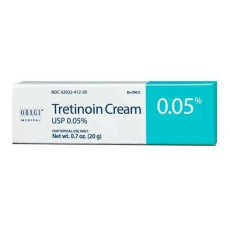
| Trétinoïne 0.05% Crème 20 g | 71.77 € |
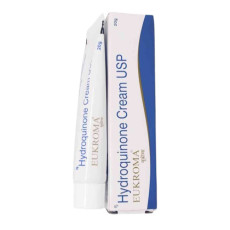
| Eukroma Crème -Hydroquinone 20 g | 72.64 € |
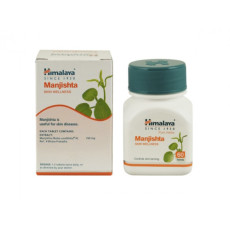
| Manjishtha 60 bottles | 77.02 € |
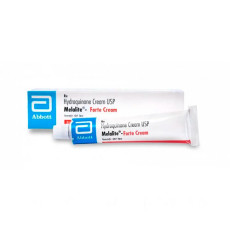
| Melalite Forte 4% Crème 30 g | 73.52 € |
| A-Ret | 0.00 € |
FAQ: Médicaments contre l'Hyperpigmentation en 2026
-
Est-il nécessaire d’avoir une ordonnance pour acquérir Médicaments contre l'Hyperpigmentation en pharmacie ?
-
Quelles sont les méthodes de paiement acceptées ?
-
Quel est le prix de Médicaments contre l'Hyperpigmentation en France ?
-
Puis-je acheter Médicaments contre l'Hyperpigmentation via votre pharmacie en ligne ?
-
Que dois-je savoir concernant la livraison ?
-
Médicaments contre l'Hyperpigmentation est un produit légal en France ?
-
Produits les plus vendus dans la pharmacie