


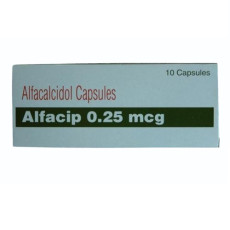
Medications for Hypophosphatemia
Hypophosphatemia is a condition characterized by abnormally low levels of phosphate in the blood. Since phosphate plays a vital role in energy production, bone health, and cellular function, maintaining proper levels is essential for overall health. Prompt diagnosis and treatment are crucial to prevent complications such as muscle weakness, neurological issues, or bone disorders. Effective management often involves specific medications that help restore phosphate levels, improving symptoms and quality of life. According to scientific studies, early intervention can significantly reduce the risk of severe complications and promote recovery.
What is Hypophosphatemia?
Hypophosphatemia refers to a state where the blood phosphate concentration falls below normal levels, typically less than 0.8 mmol/L. This condition can affect various organs, especially muscles, bones, and the nervous system, leading to symptoms like fatigue, muscle weakness, and neurological disturbances. It may be acute, developing rapidly due to factors like refeeding syndrome or severe infections, or chronic, associated with underlying health issues such as malnutrition or chronic alcoholism. Rapid diagnosis is important because untreated hypophosphatemia can cause serious complications, including respiratory failure or cardiac problems. Scientific research emphasizes that early detection and correction are key to preventing long-term damage.
Definition and Main Characteristics of Hypophosphatemia
Hypophosphatemia is a metabolic disorder characterized by a deficiency of phosphate in the bloodstream. Causes include inadequate dietary intake, increased renal excretion, or shifts of phosphate into cells, often triggered by conditions like hyperparathyroidism, alcoholism, or certain medications. The disease can be mild or severe, with symptoms ranging from none to life-threatening. It is more common in hospitalized patients, especially those with malnutrition or undergoing refeeding after starvation. The progression depends on the severity and duration of phosphate deficiency, with risks increasing in vulnerable groups such as children, the elderly, or those with chronic illnesses. A simple table summarizes the key features:
| Characteristic | Description |
|---|---|
| Type | Electrolyte disorder |
| Causes | Dietary deficiency, renal loss, cellular shifts |
| Severity | Mild to severe |
| Risk groups | Hospitalized patients, malnourished, alcoholics |
Symptoms of Hypophosphatemia
The clinical presentation of hypophosphatemia varies depending on the severity and rapidity of onset. Common symptoms include muscle weakness, fatigue, and joint pain, which can progress to confusion, irritability, or even seizures if phosphate levels drop significantly. In severe cases, patients may experience difficulty breathing, cardiac arrhythmias, or neurological deficits. Recognizing these signs early allows for prompt treatment, reducing the risk of permanent damage. Scientific studies highlight that symptoms often overlap with other conditions, making laboratory testing essential for accurate diagnosis. Early detection is especially important in hospitalized or at-risk populations.
Recognizing Early Signs of Hypophosphatemia
Initial symptoms often include unexplained fatigue, muscle cramps, or weakness, which can be mistaken for other common ailments. Patients might also experience irritability, confusion, or numbness. These signs are subtle and may develop gradually, emphasizing the importance of monitoring at-risk individuals. In some cases, gastrointestinal symptoms like nausea or loss of appetite may occur. Differentiating hypophosphatemia from other electrolyte imbalances requires blood tests, as clinical signs alone are not specific. Early recognition and laboratory confirmation facilitate timely intervention, preventing progression to more serious complications.
Causes and Risk Factors of Hypophosphatemia
Several internal and external factors contribute to the development of hypophosphatemia. Internally, conditions like hyperparathyroidism, vitamin D deficiency, or genetic disorders can impair phosphate regulation. Externally, poor dietary intake, alcoholism, malabsorption syndromes, or the use of certain medications such as diuretics or insulin can increase risk. Acute illnesses, infections, or stress responses may also cause shifts of phosphate into cells, lowering blood levels. Recognizing these factors helps in identifying individuals at higher risk and implementing preventive measures. Scientific literature emphasizes that multiple factors often coexist, compounding the risk of phosphate deficiency.
Factors Contributing to Hypophosphatemia
Key contributors include:
- Inadequate dietary intake – poor nutrition or malnutrition
- Increased renal excretion – hyperparathyroidism, diuretics
- Cellular shifts – refeeding syndrome, respiratory alkalosis
- Chronic alcoholism – impairs absorption and increases excretion
- Medications – insulin, diuretics, certain antibiotics
Understanding these causes allows for targeted prevention and management strategies. Recognizing that multiple factors often act together underscores the importance of comprehensive patient assessment.
Types of Medications and Treatments
The treatment of hypophosphatemia depends on its severity and underlying cause. Mild cases may sometimes be managed with dietary modifications or oral supplements, but more severe deficiencies require medical intervention. The choice of medication is tailored to the patient's condition, age, and overall health. Medical supervision is essential to avoid complications such as phosphate overload or imbalances with other electrolytes. Scientific research indicates that appropriate supplementation can rapidly restore phosphate levels and alleviate symptoms, especially in acute settings.
Medications for the Treatment of Hypophosphatemia
Several classes of medications are used to correct phosphate deficiency:
- Oral phosphate salts – such as potassium phosphate or sodium phosphate, aimed at increasing blood phosphate levels gradually.
- Intravenous phosphate solutions – used in severe cases or when oral intake is not feasible, providing rapid correction under close medical supervision.
- Supportive medications – like vitamin D analogs, which enhance intestinal absorption of phosphate.
Each medication type has specific indications, benefits, and risks, emphasizing the importance of medical guidance for optimal outcomes.
Natural Remedies for Hypophosphatemia
While medications are primary, some natural approaches may support recovery or alleviate mild symptoms. These include:
- Consuming phosphate-rich foods such as nuts, seeds, dairy products, and lean meats.
- Ensuring adequate vitamin D intake through sunlight exposure or supplements, which aids phosphate absorption.
- Maintaining a balanced diet to prevent deficiencies and support overall mineral balance.
- Staying well-hydrated to facilitate metabolic processes.
It is important to note that these natural methods should complement, not replace, medical treatment. Always consult a healthcare professional before making dietary changes or starting supplements.
Forms and Presentations: Tablets, Capsules, Liquids
Medications for hypophosphatemia are commonly available in various forms, each offering specific advantages. Tablets and capsules are convenient for regular oral intake, with formulations designed for quick or sustained release. Liquids or suspensions are useful for patients who have difficulty swallowing or require rapid absorption. In severe cases, phosphate solutions are administered via injections or infusions, providing immediate correction. The choice of form depends on the severity of deficiency, patient age, and clinical setting. Scientific studies highlight that proper formulation enhances compliance and treatment efficacy.
Over-the-Counter (OTC) Medications
For mild symptoms or preventive purposes, some phosphate supplements are available OTC. These include mineral supplements or multivitamins containing phosphate and vitamin D. However, self-medication should be approached with caution, as improper dosing can lead to imbalances or adverse effects. Patients should always follow dosing instructions carefully and consult a healthcare professional if symptoms persist or worsen. OTC options are generally suitable for maintenance or mild deficiencies but are not substitutes for prescribed treatments in severe cases.
Diagnosis and When to See a Doctor
Accurate diagnosis of hypophosphatemia involves blood tests measuring serum phosphate levels, along with assessments of related electrolytes, kidney function, and vitamin D status. Medical evaluation is essential because symptoms are often nonspecific and can overlap with other conditions. Self-treatment without professional guidance may delay proper management or cause harm. Early consultation with a healthcare provider ensures appropriate testing, diagnosis, and tailored treatment plans. Scientific evidence supports that prompt medical intervention improves outcomes and prevents complications.
Tests and Diagnostic Methods for Hypophosphatemia
Diagnosis typically involves:
- Serum phosphate measurement – primary test to confirm deficiency
- Serum calcium, magnesium, and potassium levels – to assess electrolyte balance
- Renal function tests – to evaluate kidney contribution to phosphate loss
- Vitamin D levels – to identify deficiencies affecting absorption
- Urinary phosphate excretion – to distinguish between renal loss and cellular shifts
These tests collectively help determine the underlying cause and guide appropriate treatment strategies.
Signs Requiring Immediate Medical Attention
Emergency symptoms indicating severe hypophosphatemia include difficulty breathing, chest pain, muscle paralysis, seizures, or sudden neurological changes. If any of these occur, immediate medical attention is necessary to prevent life-threatening complications. Additionally, rapid deterioration of consciousness or cardiac arrhythmias warrants urgent care. Recognizing these warning signs early can be lifesaving, emphasizing the importance of prompt medical evaluation in at-risk individuals.
Precautions and Side Effects
While phosphate supplements are generally safe when used correctly, they can cause side effects such as gastrointestinal discomfort, nausea, or diarrhea. Overdose may lead to hyperphosphatemia, which can cause calcification of tissues or kidney damage. Patients with kidney disease, children, pregnant women, or the elderly require careful monitoring. Following medical instructions precisely minimizes risks. Regular blood tests are recommended to monitor electrolyte levels and prevent adverse effects. Scientific studies underline that responsible use and medical supervision are key to safe and effective treatment.
Most Common Side Effects
Common mild side effects include nausea, stomach upset, or diarrhea. Serious adverse reactions, though rare, may involve allergic responses, hyperphosphatemia, or kidney impairment. It is important to report any unusual symptoms to a healthcare provider promptly. A table summarizes these effects:
| Type of Effect | Frequency | Severity | Recommendation |
|---|---|---|---|
| Mild gastrointestinal symptoms | Common | Light | Monitor and adjust dosage if necessary |
| Allergic reactions | Rare | Severe | Seek immediate medical attention |
| Hyperphosphatemia | Uncommon | Serious | Regular blood tests and dose adjustment |
Safe Medication Use Tips
To ensure safe medication use:
- Follow prescribed dosages strictly
- Avoid combining with alcohol or incompatible medications unless advised
- Store medicines in a cool, dry place away from children
- Attend regular follow-up appointments for monitoring
- Report any side effects or concerns to your healthcare provider promptly
Responsible medication management and ongoing medical supervision are essential for optimal results and minimizing risks.
Prevention and Daily Care
Preventing hypophosphatemia involves maintaining a balanced diet rich in phosphate and vitamin D, especially for at-risk groups. Regular medical check-ups help detect early imbalances, allowing timely intervention. Adopting a healthy lifestyle, including proper nutrition, hydration, and stress management, supports overall mineral balance. Scientific evidence suggests that proactive measures reduce the likelihood of developing severe deficiencies and associated complications. Tailoring prevention strategies to individual health status enhances their effectiveness.
Recommended Habits to Reduce Risk of Hypophosphatemia
Key habits include:
- Eating phosphate-rich foods like dairy, nuts, and lean meats
- Ensuring adequate vitamin D levels through sunlight or supplements
- Maintaining hydration and balanced nutrition
- Limiting alcohol intake and avoiding malabsorption triggers
- Monitoring health conditions that affect mineral balance
Implementing these habits can significantly lower the risk of phosphate deficiency and support overall health.
Additional Preventive Measures
Secondary prevention involves routine blood tests, especially for patients with chronic illnesses or on medications affecting mineral levels. Vaccinations, where appropriate, can prevent infections that may disrupt electrolyte balance. Supplementing with vitamins or minerals under medical guidance can help maintain optimal phosphate levels. Following your doctor’s advice and adhering to treatment plans are vital for long-term health. These measures collectively contribute to reducing the incidence and severity of hypophosphatemia.
Prognosis and Recovery
The outlook for individuals with hypophosphatemia largely depends on the cause, severity, and timeliness of treatment. Most patients recover fully when the deficiency is corrected early and underlying issues are addressed. Adherence to medical advice and lifestyle modifications accelerate healing and prevent recurrences. Scientific studies show that with proper management, the prognosis is generally favorable, especially in acute cases. Long-term complications are rare if the condition is managed appropriately.
Typical Recovery Time
The recovery period varies: mild cases often resolve within a few days to a week after treatment, while severe or chronic cases may take several weeks or months. The table below summarizes typical durations:
| Type of Case | Average Recovery Time | Comments |
|---|---|---|
| Mild deficiency | Few days to 1 week | Rapid correction with oral supplements |
| Severe deficiency | Several weeks to months | Requires IV therapy and monitoring |
| Chronic hypophosphatemia | Gradual improvement over months | Needs ongoing management and surveillance |
Factors Improving Prognosis
Factors that enhance recovery include:
- Early diagnosis and prompt treatment
- Adherence to prescribed medication and lifestyle changes
- Addressing underlying causes effectively
- Regular monitoring of blood phosphate levels
- Overall good health and absence of complicating conditions
These elements significantly increase the likelihood of complete remission and reduce the risk of relapse.
Lifestyle Changes for Better Outcomes
The recovery of hypophosphatemia also depends on adopting healthy habits. Patients are advised to:
- Follow a balanced diet rich in phosphate and vitamin D
- Engage in moderate exercise to support overall health
- Avoid alcohol and substances that impair absorption
- Manage stress and ensure adequate rest
- Attend all follow-up appointments for ongoing assessment
Implementing these lifestyle modifications can accelerate healing and prevent future episodes.
Possible Complications
If left untreated or poorly managed, hypophosphatemia can lead to serious complications such as muscle paralysis, respiratory failure, cardiac arrhythmias, or neurological deficits. Chronic deficiency may cause osteomalacia or osteoporosis, impairing bone strength. The table below summarizes potential complications:
| Complication | Frequency | Severity | Prevention |
|---|---|---|---|
| Muscle weakness/paralysis | Common in severe cases | Serious | Timely correction of phosphate levels |
| Respiratory failure | Rare | Critical | Monitoring in acute settings |
| Bone disorders (osteomalacia) | Chronic cases | Moderate to severe | Long-term management and nutrition |
With appropriate treatment and ongoing care, most patients recover well and avoid long-term complications, emphasizing the importance of early diagnosis and adherence to medical advice.
Where to Buy Medications for Hypophosphatemia
Medications for hypophosphatemia are available both in physical pharmacies and online stores. It is essential to verify the legitimacy of the pharmacy, ensuring it is licensed and reputable, to avoid counterfeit products. All medications should meet safety standards and be stored properly. In our pharmacy in France, all treatments for hypophosphatemia are accessible with a valid prescription, and online orders are secure and reliable. Scientific literature underscores the importance of purchasing from authorized sources to guarantee medication quality and safety.
Shop Safely in an Authorized Online Pharmacy
Buying from our accredited online pharmacy offers several advantages, including professional advice, guaranteed product authenticity, and secure payment options. We ensure strict quality control, proper packaging, and discreet delivery. Before purchasing, verify the pharmacy’s license, check the packaging for tampering, confirm expiration dates, and consult a pharmacist if needed. These precautions help protect your health and ensure you receive effective treatment. Responsible shopping and adherence to instructions are vital for safe medication use, as supported by scientific guidelines.
Can You Purchase Medications Online Without a Prescription?
In France, all medications used to treat hypophosphatemia require a prescription; however, our online pharmacy provides a secure platform where you can purchase these medications without a personal visit to a doctor. This service is designed to facilitate access while maintaining safety standards. It is important to follow the recommended dosages and consult a healthcare professional if symptoms persist or worsen. Always ensure that your online pharmacy is licensed and adheres to regulatory requirements to guarantee product quality and safety. Purchasing medications online should be done responsibly, with proper medical guidance when necessary.
Shipping Options and Quality Assurance
Our pharmacy offers various shipping methods, including standard, express, and international delivery, to meet your needs. Each shipment is carefully tracked, with batch traceability and quality controls such as temperature regulation and secure packaging. We ensure discreet delivery and provide tracking information to monitor your order. These measures help maintain medication integrity and guarantee customer satisfaction. When receiving your order, verify the packaging and expiration date to confirm product quality. Scientific standards emphasize the importance of reliable logistics and quality assurance in pharmaceutical distribution.
Prices, Availability, and Discounts in French Pharmacies
The cost of hypophosphatemia medications in France varies depending on factors such as brand versus generic, dosage, form (tablets, liquids, injections), and whether a prescription is required. Availability can fluctuate based on demand, regional stock, and seasonal factors. Some formulations may be immediately accessible, while others require special ordering. Many pharmacies offer discounts, promotional codes, or loyalty programs that can reduce costs. Comparing prices between pharmacies and online stores is advisable to find the best deal. Patients should also inquire about generic options or alternative dosages if standard forms are unavailable. Staying informed about current promotions can lead to significant savings while ensuring access to effective treatment. Scientific research supports that cost-effective management improves adherence and health outcomes.
| Produits en pharmacie | Prix |
|---|---|
| Alfacip 0.25/0.5 mcg capsules | 56.89 € |
FAQ: Médicaments contre l'Hypophosphatémie en 2026
-
Est-il nécessaire d’avoir une ordonnance pour acquérir Médicaments contre l'Hypophosphatémie en pharmacie ?
-
Quelles sont les méthodes de paiement acceptées ?
-
Quel est le prix de Médicaments contre l'Hypophosphatémie en France ?
-
Puis-je acheter Médicaments contre l'Hypophosphatémie via votre pharmacie en ligne ?
-
Que dois-je savoir concernant la livraison ?
-
Médicaments contre l'Hypophosphatémie est un produit légal en France ?
-
Produits les plus vendus dans la pharmacie