


Medications for Indigestion
Indigestion, also known as dyspepsia, is a common digestive discomfort that affects many people at some point in their lives. It manifests as a feeling of fullness, bloating, or pain in the upper abdomen, often after eating. Prompt diagnosis and appropriate treatment are essential to alleviate symptoms, improve quality of life, and prevent potential complications. Scientific studies indicate that effective management can significantly reduce discomfort and prevent progression to more serious gastrointestinal conditions.
What is Indigestion?
Indigestion refers to a set of symptoms related to discomfort or pain in the upper digestive tract, primarily affecting the stomach and esophagus. It can be acute, occurring suddenly after a meal, or chronic, persisting over weeks or months. The condition is often triggered by overeating, fatty foods, stress, or underlying gastrointestinal disorders. Recognizing and treating indigestion early is important because persistent symptoms may indicate more serious issues such as ulcers or gastroesophageal reflux disease (GERD). According to scientific literature, timely intervention can improve symptom control and prevent complications.
Definition and Main Characteristics of Indigestion
Indigestion is characterized by discomfort or pain in the upper abdomen, often accompanied by bloating, belching, nausea, or a feeling of fullness. Causes include overeating, consumption of spicy or fatty foods, alcohol, smoking, stress, and certain medications. It can be episodic or persistent, with severity varying from mild to debilitating. Risk groups include individuals with obesity, those under high stress, or with pre-existing gastrointestinal conditions. The condition is generally benign but warrants attention if symptoms are frequent or severe, as they may signal underlying diseases. Scientific studies highlight that multifactorial causes often contribute to indigestion, requiring tailored management strategies.
Symptoms of Indigestion
Common symptoms of indigestion include a burning sensation in the upper abdomen, discomfort after meals, bloating, and nausea. Symptoms can fluctuate, becoming more intense with certain foods or stress. Early recognition of these signs allows for prompt treatment, reducing the risk of complications. In some cases, symptoms may mimic more serious conditions, emphasizing the importance of medical evaluation. Persistent or worsening symptoms should always prompt consultation with a healthcare professional to rule out other causes such as ulcers or tumors.
How to Recognize the First Signs of Indigestion
Initial signs often include a feeling of fullness, mild stomach discomfort, or belching shortly after eating. These symptoms are usually transient and improve with dietary adjustments. Differentiating indigestion from other illnesses involves noting the timing, frequency, and severity of symptoms. For example, if discomfort occurs consistently after meals or is associated with weight loss or bleeding, medical advice is necessary. Recognizing these early indicators helps in initiating appropriate treatment and avoiding unnecessary anxiety or complications.
Causes and Risk Factors of Indigestion
Several factors contribute to the development of indigestion, including dietary habits, lifestyle choices, and underlying health conditions. Common causes encompass overeating, high-fat diets, alcohol consumption, smoking, stress, and certain medications like NSAIDs. Age also plays a role, as gastrointestinal motility tends to decrease over time. Additionally, infections such as Helicobacter pylori can cause or exacerbate indigestion. Scientific research emphasizes that multiple factors often interact, increasing the risk of persistent symptoms.
Factors Causing Indigestion
Internal factors such as genetic predisposition or pre-existing gastrointestinal diseases can increase susceptibility. External factors include poor diet, alcohol intake, smoking, and high stress levels. Environmental influences like contaminated food or water may also contribute. The multifactorial nature of indigestion means that lifestyle modifications are often necessary alongside medical treatment. Recognizing these causes enables better prevention and management strategies, reducing the likelihood of chronic symptoms.
| Risk Factor | Description | Probability |
|---|---|---|
| Dietary habits | High-fat, spicy, or large meals | High |
| Stress | Chronic stress affecting digestion | Moderate |
| Medications | NSAIDs, antibiotics | Variable |
| Infections | Helicobacter pylori | Moderate |
Types of Medications and Treatments
The management of indigestion depends on its severity and underlying causes. Mild cases often respond well to lifestyle modifications and over-the-counter remedies, while more persistent or severe symptoms may require prescription medications. It is crucial to consult a healthcare professional before starting any treatment, especially in cases of recurrent or intense symptoms. Proper diagnosis ensures targeted therapy, reducing the risk of complications and improving patient comfort.
Medications for the Treatment of Indigestion
Several classes of drugs are used to treat indigestion, each targeting specific symptoms or causes. Antacids, such as magnesium hydroxide or calcium carbonate, neutralize stomach acid and provide quick relief. Proton pump inhibitors (PPIs) like omeprazole reduce acid production, offering longer-term symptom control. H2 receptor antagonists, such as ranitidine, also decrease acid secretion. Prokinetics, including domperidone, enhance gastric motility, especially useful in cases with delayed stomach emptying. The choice of medication depends on symptom severity, underlying conditions, and patient-specific factors.
Natural Remedies for Indigestion
Complementary approaches can help alleviate indigestion symptoms but should not replace medical treatment. Herbal teas such as ginger or chamomile may soothe the digestive tract. Chewing fennel seeds or taking a small amount of apple cider vinegar diluted in water can aid digestion. Maintaining a balanced diet, practicing stress-reduction techniques, and avoiding trigger foods are also beneficial. Always consult a healthcare provider before trying natural remedies, especially if symptoms persist or worsen.
Forms and Presentations: Tablets, Capsules, Liquids
Medications for indigestion are available in various forms, including tablets, capsules, liquids, and effervescent powders. Tablets and capsules are convenient and provide controlled release, making them suitable for regular use. Liquids or syrups offer rapid absorption, ideal for quick relief, especially in children or those with swallowing difficulties. Effervescent forms can be easier to ingest and may enhance absorption. The choice depends on patient preference, age, and specific medical needs.
Over-the-Counter (OTC) Medications
For mild indigestion, several OTC options are available, allowing self-management in many cases. Antacids like calcium carbonate or magnesium hydroxide can provide immediate relief. H2 blockers such as ranitidine are also accessible without prescription in some regions. These medications are suitable for occasional use but should not be relied upon for persistent symptoms. If symptoms continue beyond a few days or worsen, consulting a healthcare professional is essential to rule out more serious conditions.
Diagnosis and When to See a Doctor
Accurate diagnosis of indigestion involves a thorough medical history, physical examination, and, if necessary, additional tests. Healthcare providers may perform blood tests, endoscopy, or imaging studies to identify underlying causes such as ulcers or infections. Self-medicating without proper evaluation can delay diagnosis of serious diseases. Early consultation ensures appropriate management, especially if symptoms are severe, recurrent, or associated with weight loss, bleeding, or difficulty swallowing. Medical assessment is crucial for effective treatment and prevention of complications.
Tests and Diagnostic Methods for Indigestion
Common diagnostic procedures include endoscopy to visualize the upper gastrointestinal tract, blood tests to detect infections or anemia, and breath tests for Helicobacter pylori. Imaging studies like abdominal ultrasound or X-rays may be used to exclude other causes. In some cases, pH monitoring or motility studies are performed to assess acid levels and gastric function. These tests help confirm the diagnosis and guide targeted therapy, especially in persistent or atypical cases.
Signs Requiring Immediate Medical Attention
Urgent medical evaluation is necessary if indigestion symptoms are accompanied by severe chest pain, persistent vomiting, black or bloody stools, unexplained weight loss, or difficulty swallowing. These signs may indicate serious conditions such as bleeding ulcers, tumors, or heart problems. Delaying medical care in such situations can lead to life-threatening complications. Prompt attention ensures timely intervention and better outcomes.
Precautions and Side Effects
While many medications for indigestion are generally safe when used appropriately, they can cause side effects. Overuse or incorrect use may lead to issues like diarrhea, constipation, allergic reactions, or liver problems. Patients should follow prescribed dosages and avoid combining medications with alcohol or certain foods unless advised. Special caution is needed for children, pregnant women, elderly individuals, and those with chronic illnesses. Regular monitoring and consultation with healthcare providers help minimize risks and ensure safe treatment.
Most Common Side Effects
| Type of Effect | Frequency | Severity | Recommendations |
|---|---|---|---|
| Nausea, diarrhea, constipation | Common | Light to moderate | Follow dosing instructions, report persistent symptoms |
| Allergic reactions (rash, swelling) | Rare | Severe | Seek immediate medical attention |
| Liver or kidney issues (with long-term use) | Very rare | Serious | Regular monitoring as advised by doctor |
Safe Medication Use Tips
- Always adhere to prescribed dosages and schedules.
- Store medications in a cool, dry place, away from children.
- Check for interactions with other medicines or foods.
- Do not mix medications without medical advice.
- Attend regular check-ups if on long-term therapy.
Prevention and Daily Care
Preventive measures and healthy habits play a vital role in managing indigestion. Regular medical check-ups, a balanced diet, and stress management can significantly reduce symptom frequency. Recognizing early signs and making lifestyle adjustments promptly can prevent the progression of symptoms. Tailoring prevention strategies to individual health status, age, and lifestyle enhances their effectiveness and supports overall digestive health.
Recommended Habits to Reduce the Risk of Indigestion
Adopting a nutritious diet rich in fiber, avoiding overeating, and limiting fatty or spicy foods are key. Incorporating regular physical activity helps maintain healthy digestion. Managing stress through relaxation techniques, ensuring adequate sleep, and avoiding smoking or excessive alcohol consumption also contribute to prevention. These lifestyle changes collectively support gastrointestinal health and reduce the likelihood of indigestion episodes.
| Prevention Area | Recommended Measures | Main Benefits |
|---|---|---|
| Diet | Eat balanced meals, limit fatty/spicy foods | Reduces irritation and bloating |
| Exercise | Engage in regular physical activity | Enhances digestion and motility |
| Stress Management | Practice relaxation, meditation | Decreases stress-related symptoms |
| Habits | Avoid smoking, limit alcohol | Protects gastrointestinal lining |
Additional Preventive Measures
Secondary prevention includes routine medical examinations, vaccinations if applicable, and adherence to prescribed medications. Monitoring symptoms and maintaining a healthy lifestyle can prevent recurrence. Following medical advice on diet, exercise, and stress reduction enhances overall digestive health. These measures contribute not only to reducing indigestion episodes but also to improving general well-being and quality of life over the long term.
Prognosis and Recovery
The outlook for individuals with indigestion largely depends on the underlying cause, disease stage, and how early treatment begins. Most cases respond well to lifestyle modifications and medication, leading to favorable outcomes. Adherence to medical advice and adopting a healthy lifestyle accelerate recovery and prevent recurrences. Scientific evidence suggests that proactive management reduces the risk of complications and enhances long-term health.
Typical Recovery Time
The recovery period varies with severity; mild cases often resolve within a few days to a week with proper care. More severe or chronic cases may require several weeks or months, especially if underlying conditions are involved. For example, simple indigestion caused by dietary factors may improve quickly, while ulcers or infections need longer treatment durations. Persistent symptoms beyond expected timelines should prompt reevaluation by a healthcare professional.
| Case Type | Average Recovery Duration | Comments |
|---|---|---|
| Acute indigestion | Few days to 1 week | Often resolves with lifestyle changes |
| Chronic indigestion | Several weeks to months | Requires ongoing management and monitoring |
Factors Improving the Prognosis
- Early diagnosis and treatment initiation
- Adherence to prescribed medications
- Adopting a healthy diet and lifestyle
- Regular medical follow-up
- Managing stress effectively
Lifestyle Changes for Better Outcomes
Recovery depends on adopting healthier habits, including balanced nutrition, regular exercise, stress reduction, and avoiding known triggers like smoking and alcohol. These changes support digestive health and help prevent future episodes. Patients are encouraged to maintain these habits long-term for sustained relief and improved quality of life.
Possible Complications
If left untreated or poorly managed, indigestion can lead to complications such as gastric ulcers, bleeding, or even more serious conditions like gastroesophageal reflux disease (GERD) or stomach cancer. Chronic inflammation or irritation may cause tissue damage, leading to persistent symptoms or nutritional deficiencies. Preventing these outcomes relies on timely medical intervention, lifestyle modifications, and adherence to treatment plans. With proper care, most patients recover well and avoid long-term issues.
| Complication | Frequency | Severity | Prevention |
|---|---|---|---|
| Gastric ulcers | Moderate | Serious | Proper medication, avoid irritants |
| Bleeding | Less common | Potentially life-threatening | Early diagnosis and treatment |
| Gastroesophageal reflux disease (GERD) | Common | Chronic discomfort, esophageal damage | Lifestyle modifications, medication adherence |
Where to Buy Medications for Indigestion
Medications for indigestion are widely available in pharmacies and through online platforms. Ensuring the authenticity and quality of medicines is crucial; always verify the license of the pharmacy and check for genuine packaging. Be cautious of counterfeit products, which can be ineffective or harmful. Our pharmacy in France offers a secure online shopping experience with certified medications, ensuring safety and efficacy for all customers.
Shop Safely at a Licensed Online Pharmacy
Buying from an authorized online pharmacy provides several benefits, including access to professional advice, guaranteed medication quality, and secure payment options. Always verify the pharmacy’s license, check the packaging and expiration date, and consult a pharmacist if you have questions. Reliable pharmacies also offer clear return policies and discreet packaging, ensuring a positive shopping experience. Following these precautions helps protect your health and ensures effective treatment.
Can You Purchase Indigestion Medications Online Without a Prescription?
Yes, in France, all medications for indigestion are available for purchase online without a prescription through our licensed pharmacy. This allows for convenient access to over-the-counter remedies such as antacids and H2 blockers. However, it remains important to consult a healthcare professional if symptoms persist or worsen, to ensure proper diagnosis and treatment. Always buy from reputable sources to avoid counterfeit products and ensure safety.
Shipping Options and Quality Assurance
Our pharmacy offers multiple shipping options, including standard, express, and international delivery, to meet your needs. Each shipment undergoes strict quality control measures, such as lot traceability, temperature monitoring, and secure, discreet packaging. Tracking your order ensures transparency and peace of mind. These measures guarantee that your medications arrive safely, intact, and ready for use, maintaining their efficacy and safety.
Pricing, Availability, and Discounts in French Pharmacies
The cost of indigestion medications in France varies depending on factors like brand, dosage, form, and whether a prescription is required. Generic options are often more affordable and equally effective. Availability can fluctuate based on demand, seasonality, and regional supply. Pharmacies frequently offer discounts, promotional codes, and loyalty programs, making treatment more accessible. Comparing prices between physical and online pharmacies, and consulting with your pharmacist about discounts or alternatives, can help you obtain medications at the best possible price. If a specific formulation or strength is needed, inquire in advance about ordering options or substitutes to ensure timely access.
| Produits en pharmacie | Prix |
|---|---|
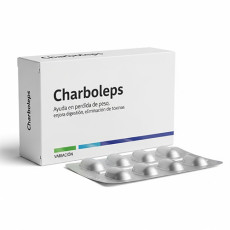
| Charboleps 60 bottles | 5.25 € |
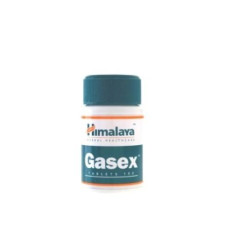
| Gasex 100 comprimés | 77.02 € |
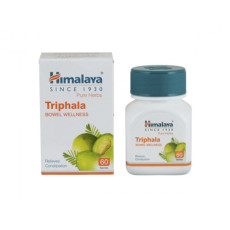
| Triphala 60 bottles | 77.02 € |
FAQ: Médicaments contre l'Indigestion en 2026
-
Est-il nécessaire d’avoir une ordonnance pour acquérir Médicaments contre l'Indigestion en pharmacie ?
-
Quelles sont les méthodes de paiement acceptées ?
-
Quel est le prix de Médicaments contre l'Indigestion en France ?
-
Puis-je acheter Médicaments contre l'Indigestion via votre pharmacie en ligne ?
-
Que dois-je savoir concernant la livraison ?
-
Médicaments contre l'Indigestion est un produit légal en France ?
-
Produits les plus vendus dans la pharmacie