


Medications for Malnutrition
Malnutrition is a serious health condition resulting from an imbalance between nutrient intake and the body's needs. It affects individuals of all ages but is especially prevalent among vulnerable populations such as children, the elderly, and those with chronic illnesses. Prompt diagnosis and treatment are crucial because they can significantly improve recovery outcomes, reduce complications, and enhance quality of life. Scientific studies highlight that early intervention with appropriate nutritional support can prevent long-term health issues and promote faster healing, emphasizing the importance of timely medical attention.
What is Malnutrition?
Malnutrition refers to a condition where the body does not receive adequate nutrients, either due to insufficient intake or poor absorption. It can affect various organs and systems, leading to weakened immunity, muscle wasting, and developmental delays in children. Malnutrition can be acute, characterized by rapid weight loss and wasting, or chronic, involving long-term deficiencies that impair growth and organ function. According to research, malnutrition remains a global health challenge, especially in low-income regions, and diagnosing it early is vital to prevent irreversible damage. Recognizing symptoms early allows for effective treatment, which can restore nutritional balance and improve overall health.
Definition and Main Characteristics of Malnutrition
Malnutrition is a condition caused by an imbalance between nutrient intake and the body's requirements, leading to deficiencies or excesses. It can result from inadequate food consumption, poor absorption, or increased nutritional needs due to illness. The disease manifests in various forms, including undernutrition (wasting, stunting, micronutrient deficiencies) and overnutrition (obesity). Causes include poverty, infections, gastrointestinal disorders, and social factors. The progression can be rapid in vulnerable groups, with severity ranging from mild deficiencies to life-threatening conditions. Key features include weight loss, fatigue, weakened immune response, and delayed growth. Groups at higher risk include children, pregnant women, and the elderly, making early detection essential for effective management.
Symptoms of Malnutrition
Malnutrition presents with a range of symptoms that vary depending on its severity and duration. Common signs include weight loss, muscle weakness, fatigue, and a weakened immune system leading to frequent infections. In children, signs such as stunted growth, developmental delays, and irritability are typical. As the condition worsens, individuals may experience swelling, anemia, and skin or hair changes. Recognizing these symptoms early is critical because it allows for prompt intervention, which can prevent further deterioration. The progression from mild to severe malnutrition involves increasing physical and functional decline, emphasizing the importance of early detection.
How to Recognize Early Signs of Malnutrition
Early indicators of malnutrition often include unexplained weight loss, fatigue, and decreased muscle mass. In children, poor growth and delayed milestones are key warning signs. Other common early symptoms are irritability, decreased appetite, and frequent illnesses. These signs can sometimes be mistaken for other health issues, but persistent or worsening symptoms should prompt medical evaluation. Simple observations such as dull hair, dry skin, or swelling can also hint at nutritional deficiencies. Recognizing these early signs enables timely medical assessment and nutritional support, which are vital for recovery.
Causes and Risk Factors of Malnutrition
Malnutrition results from a complex interplay of factors, including inadequate food intake, infections, gastrointestinal diseases, and socioeconomic conditions. External factors such as poverty, food insecurity, poor sanitation, and limited access to healthcare significantly contribute. Internal factors include genetic conditions, metabolic disorders, or chronic illnesses that impair nutrient absorption or increase nutritional needs. Age-related vulnerabilities, such as in infants and the elderly, also heighten risk. Environmental influences like famine, war, or natural disasters can exacerbate nutritional deficiencies. Recognizing these causes helps in implementing targeted prevention strategies to reduce the incidence of malnutrition.
Factors Contributing to Malnutrition
Main contributors include insufficient dietary intake, infections like diarrhea or parasitic infestations, and chronic illnesses such as cancer or HIV/AIDS. External factors like poverty, lack of education, and poor sanitation can limit access to nutritious food and healthcare. Internal causes involve genetic metabolic disorders or malabsorption syndromes. Often, multiple factors combine, creating a multifaceted risk profile. Understanding these causes is essential for developing effective prevention and treatment plans, as addressing only one aspect may not be sufficient to resolve the condition.
Types of Medications and Treatments
The treatment of malnutrition depends on its severity and underlying causes. Mild cases may be managed with dietary modifications and nutritional supplements, often without the need for prescription medications. However, more severe or complicated cases require targeted pharmacological interventions, which should always be supervised by healthcare professionals. The choice of medication varies, and inappropriate use can lead to adverse effects. Therefore, it is essential to tailor treatment to each patient's specific needs, considering age, health status, and the severity of malnutrition. Scientific evidence supports a combination of nutritional therapy and, when necessary, pharmacological support to optimize recovery.
Medications for the Treatment of Malnutrition
Medications used in managing malnutrition generally fall into several categories, each serving specific therapeutic purposes. Nutritional supplements such as multivitamins, mineral preparations, and specialized amino acid formulas aim to correct deficiencies. Appetite stimulants like cyproheptadine may be used in certain cases to promote food intake. In cases involving infections or gastrointestinal issues, antibiotics or antiparasitic agents might be prescribed. Additionally, in severe cases, parenteral nutrition (intravenous feeding) may be necessary to rapidly restore nutritional status. The selection of medications must be based on clinical assessment and laboratory findings, always under medical supervision.
Natural Remedies for Malnutrition
While medications are essential for treating malnutrition, certain natural approaches can support recovery. Incorporating nutrient-rich foods such as nuts, seeds, fruits, and vegetables can enhance nutritional intake. Herbal teas like ginger or chamomile may help improve appetite and digestion. Ensuring adequate hydration and including probiotic-rich foods like yogurt can support gut health. Additionally, lifestyle factors such as regular physical activity and stress management contribute to overall well-being. However, these remedies should complement, not replace, medical treatment and always be used under healthcare guidance to ensure safety and effectiveness.
Forms and Presentations: Tablets, Capsules, Liquids
Medications for malnutrition are available in various forms, including tablets, capsules, liquids, and injectable preparations. Tablets and capsules are convenient for daily oral supplementation, offering ease of use and precise dosing. Liquids are often preferred for children or individuals with swallowing difficulties, providing rapid absorption. Injectable forms, such as vitamin injections or parenteral nutrition, are used in severe cases or when oral intake is impossible. Each form has specific advantages; for example, liquids allow flexible dosing, while injections provide immediate nutrient delivery. The choice depends on the patient's age, condition, and treatment setting.
Over-the-Counter (OTC) Medications
For mild nutritional deficiencies, certain over-the-counter supplements can be helpful, such as multivitamins, iron tablets, or mineral supplements. These products are generally safe when used as directed and can support recovery in cases of mild malnutrition. However, it is essential to consult a healthcare professional before starting any OTC medication, especially if symptoms persist or worsen. OTC options should not replace comprehensive medical evaluation, and persistent or severe symptoms require professional assessment to prevent complications.
Diagnosis and When to See a Doctor
Diagnosing malnutrition involves a thorough clinical examination, assessment of dietary history, and laboratory tests. Healthcare providers may measure body weight, height, and body mass index (BMI), along with blood tests to evaluate levels of vitamins, minerals, and other nutrients. Imaging studies or functional assessments might be used in complex cases. It is crucial not to self-medicate because improper treatment can worsen the condition or cause adverse effects. Early diagnosis by a healthcare professional improves the chances of effective intervention and prevents long-term health consequences.
Tests and Diagnostic Methods for Malnutrition
Common diagnostic tools include anthropometric measurements such as BMI, mid-upper arm circumference, and skinfold thickness. Laboratory tests assess serum levels of key nutrients like iron, vitamin D, and albumin. Imaging techniques, such as ultrasound or DEXA scans, may be used to evaluate body composition. Functional tests, including immune response assessments, can also provide insights into nutritional status. These methods collectively help determine the severity and underlying causes of malnutrition, guiding appropriate treatment strategies.
Signs Requiring Immediate Medical Attention
Urgent medical attention is necessary if symptoms such as severe weakness, confusion, persistent vomiting, or signs of organ failure occur. Sudden weight loss, swelling, or difficulty breathing should also prompt immediate consultation. In children, failure to thrive, seizures, or unresponsiveness are critical warning signs. Delayed treatment of these symptoms can lead to life-threatening complications. Recognizing these signs early ensures prompt intervention, which is vital for preventing irreversible damage and improving prognosis.
Precautions and Side Effects
Even medications considered safe can cause side effects, especially if misused or in vulnerable populations such as children, pregnant women, or the elderly. Common adverse effects include gastrointestinal discomfort, allergic reactions, or interactions with other drugs. Monitoring and following medical advice help minimize risks. Patients should be aware of potential symptoms indicating adverse reactions and report them promptly. Proper dosing, adherence to prescribed regimens, and regular medical follow-up are essential to ensure safe and effective treatment.
Most Common Side Effects
| Type of Effect | Frequency | Severity | Recommendations |
|---|---|---|---|
| Nausea, stomach upset | Common | Light | Take with food, monitor symptoms |
| Allergic reactions (rash, swelling) | Rare | Serious | Discontinue and seek medical help |
| Liver or kidney issues | Very rare | Serious | Regular blood tests, report symptoms |
Guidelines for Safe Medication Use
- Follow prescribed dosages strictly and do not alter doses without medical advice.
- Avoid combining medications with alcohol or certain foods unless approved by your healthcare provider.
- Store medicines in a cool, dry place away from children and pets.
- Attend regular check-ups to monitor treatment progress and side effects.
- Report any adverse reactions or unusual symptoms promptly to your healthcare provider.
Prevention and Daily Care
Preventing malnutrition involves maintaining a balanced diet, practicing good hygiene, and seeking medical advice early when symptoms appear. Regular health check-ups can detect nutritional deficiencies before they become severe. Adopting a healthy lifestyle, including adequate sleep, physical activity, and stress management, supports overall nutritional health. Community programs and education about proper nutrition are also vital in high-risk populations. Early intervention and consistent daily habits are key to reducing the risk of malnutrition and its complications.
Recommended Habits to Reduce Malnutrition Risk
Adopt a diet rich in fruits, vegetables, whole grains, lean proteins, and healthy fats. Maintain good hygiene practices, such as regular handwashing, to prevent infections that can impair nutrient absorption. Engage in regular physical activity to promote appetite and metabolic health. Ensure adequate hydration and get sufficient sleep to support recovery. Manage stress through relaxation techniques, as chronic stress can negatively impact nutritional status. These habits collectively contribute to a resilient and healthy body, reducing the likelihood of malnutrition.
Additional Preventive Measures
Secondary prevention includes routine screening for nutritional deficiencies, vaccination against preventable diseases, and supplementation of vitamins or minerals when deficiencies are identified. Regular medical follow-up ensures early detection and management of emerging issues. Educating patients about proper nutrition and lifestyle choices empowers them to maintain health. Adherence to medical advice and treatment plans significantly decreases the risk of developing severe malnutrition and promotes overall well-being.
Prognosis and Recovery
The outlook for individuals with malnutrition largely depends on the severity, underlying causes, and timeliness of treatment. Early intervention generally results in a favorable prognosis, with most patients recovering fully when properly managed. Delayed treatment or severe cases may require prolonged recovery periods and ongoing nutritional support. Following medical recommendations and adopting a healthy lifestyle accelerate healing and prevent recurrence. Scientific evidence indicates that with comprehensive care, the majority of patients can regain their health and function effectively.
Typical Recovery Time
The recovery period varies based on the severity of malnutrition. Mild cases often improve within a few days to weeks with dietary adjustments and supplements. Moderate to severe cases may take several weeks to months, especially if complications or organ damage are involved. In chronic malnutrition, gradual improvement is common, but ongoing monitoring is necessary. The table below summarizes typical recovery durations:
| Type of Case | Average Recovery Duration | Comments |
|---|---|---|
| Mild malnutrition | 1-4 weeks | Responsive to dietary changes |
| Moderate malnutrition | 4-12 weeks | Requires nutritional support and monitoring |
| Severe or chronic malnutrition | Several months | May need ongoing therapy and follow-up |
Factors Improving Prognosis
- Early detection and prompt treatment initiation
- Adherence to prescribed nutritional therapy
- Addressing underlying causes such as infections or chronic diseases
- Maintaining a balanced diet and healthy lifestyle
- Regular medical follow-up and monitoring
Lifestyle Changes for Better Outcomes
Patients should adopt a nutritious diet, engage in regular physical activity, and maintain good hygiene practices. Avoiding alcohol and smoking, managing stress, and ensuring adequate rest support recovery. Consistent medical follow-up and adherence to treatment plans are essential for sustained health improvements. These lifestyle modifications not only facilitate healing but also help prevent future episodes of malnutrition.
Potential Complications
If untreated or poorly managed, malnutrition can lead to serious health issues such as immune deficiency, anemia, osteoporosis, and organ failure. It can also cause developmental delays in children and increase susceptibility to infections. The table below summarizes possible complications:
| Complication | Frequency | Severity | Prevention |
|---|---|---|---|
| Immune suppression | Common | Moderate | Timely nutritional support |
| Organ failure (liver, kidney) | Rare | Serious | Early diagnosis and treatment |
| Growth retardation in children | Frequent | Severe | Early intervention and ongoing monitoring |
With appropriate treatment and ongoing care, most patients recover well and avoid long-term complications, emphasizing the importance of early diagnosis and comprehensive management.
Where to Buy Medications for Malnutrition
Medications for malnutrition are available at pharmacies and through reputable online platforms. It is essential to verify the licensing and authenticity of the pharmacy to avoid counterfeit products. Ensuring the quality and proper storage of medications is crucial for safety and effectiveness. All medications for malnutrition are accessible via our licensed online pharmacy in France, providing convenience and reliable service.
Shop Safely at a Licensed Online Pharmacy
Purchasing from an accredited online pharmacy offers several advantages, including professional advice, guaranteed product quality, and secure transactions. Always check for proper licensing, clear packaging, and expiration dates before purchasing. Consulting a pharmacist can help clarify any questions about medication use. Additionally, reputable pharmacies provide secure payment options and easy return policies, ensuring a safe shopping experience. These measures help protect consumers from counterfeit or substandard products and ensure proper treatment.
Can You Buy Malnutrition Medications Online Without a Prescription?
In France, all medications for malnutrition can be purchased online without a prescription through our authorized pharmacy. This accessibility allows patients to obtain necessary supplements and treatments conveniently. However, it remains important to consult a healthcare professional for proper diagnosis and personalized treatment plans. Buying medications without medical guidance is not recommended for severe or complex cases, as improper use can lead to adverse effects or ineffective treatment. Always ensure that the online pharmacy complies with safety standards and provides genuine products.
Shipping Options and Quality Assurance
Our pharmacy offers various shipping methods, including standard, express, and international delivery, to meet different needs. Each shipment undergoes strict quality control measures, such as lot traceability, temperature regulation, and secure packaging to maintain medication integrity. Tracking options are available to monitor delivery status, and confidentiality is prioritized through discreet packaging. These practices ensure that medications arrive safely and in optimal condition, providing peace of mind for customers.
Pricing, Availability, and Discounts in French Pharmacies
The cost of malnutrition medications in France varies depending on factors like brand versus generic, dosage, form (tablets, liquids), and whether a prescription is required. Distribution channels, regional differences, and ongoing promotions also influence prices. Some forms or dosages may be available immediately, while others require special ordering. Pharmacies often run discounts, loyalty programs, or seasonal promotions, making treatments more affordable. Comparing prices between online and physical stores, and consulting with pharmacists about discounts or generic options, can help optimize costs. If a specific formulation or strength is needed, patients should inquire about alternatives or special ordering procedures to ensure access.
| Produits en pharmacie | Prix |
|---|---|
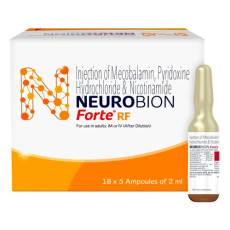
| Neurobion Forte Injection 2 ml | 71.77 € |
FAQ: Médicaments contre la Malnutrition en 2026
-
Est-il nécessaire d’avoir une ordonnance pour acquérir Médicaments contre la Malnutrition en pharmacie ?
-
Quelles sont les méthodes de paiement acceptées ?
-
Quel est le prix de Médicaments contre la Malnutrition en France ?
-
Puis-je acheter Médicaments contre la Malnutrition via votre pharmacie en ligne ?
-
Que dois-je savoir concernant la livraison ?
-
Médicaments contre la Malnutrition est un produit légal en France ?
-
Produits les plus vendus dans la pharmacie