


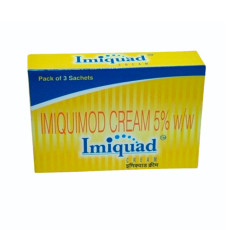
Medications for Molluscum Contagiosum
Molluscum contagiosum is a common viral skin infection that causes small, painless bumps on the skin. Although often self-limiting, treatment can help reduce the duration of symptoms, prevent spread, and improve cosmetic appearance. Early diagnosis and intervention are important to control the infection, especially in children and immunocompromised individuals, as they are more prone to complications and prolonged courses. According to scientific studies, prompt treatment can decrease viral load and limit transmission, contributing to better quality of life.
What is Molluscum Contagiosum?
Molluscum contagiosum is a contagious skin condition caused by a poxvirus. It primarily affects the epidermis, leading to the formation of characteristic dome-shaped, flesh-colored or pearly papules. The infection is usually benign and chronic, with lesions often resolving spontaneously within 6 to 12 months in healthy individuals. However, in immunosuppressed patients, the disease can persist longer and become more widespread. Recognizing and treating molluscum contagiosum early helps prevent spreading to others and reduces the risk of secondary bacterial infections. The disease is common across all age groups but is especially prevalent in children, sexually active adults, and those with weakened immune systems.
Definition and Main Characteristics of Molluscum Contagiosum
Molluscum contagiosum is a viral skin infection characterized by small, firm, umbilicated papules that can appear anywhere on the body. It is caused by the molluscum contagiosum virus, which spreads through direct skin contact, fomites, or autoinoculation. The disease is generally benign but can be persistent, especially in immunocompromised individuals. Lesions tend to be painless but may become inflamed or infected if scratched or irritated. The infection is highly contagious, and outbreaks are common in communal settings such as schools or gyms. Risk groups include children, sexually active adults, and immunosuppressed patients, with the disease often presenting as multiple lesions that can vary in size and number.
Symptoms of Molluscum Contagiosum
The hallmark of molluscum contagiosum is the appearance of small, shiny, dome-shaped bumps with a central dimple or umbilication. These lesions are usually painless but can become itchy or inflamed, especially if scratched or infected. Over time, the lesions may increase in number and size, and in some cases, they can coalesce or spread to surrounding areas. In immunocompromised individuals, lesions tend to be larger, more numerous, and resistant to spontaneous resolution. Early recognition of these symptoms allows for timely treatment, reducing the risk of transmission and complications. The disease often begins with a few lesions that gradually multiply, and their appearance can sometimes be mistaken for other skin conditions like acne or warts.
How to Recognize the First Signs of Molluscum Contagiosum
In the initial stages, molluscum contagiosum presents as small, flesh-colored or pink bumps that are smooth and shiny. They often have a central dimple or umbilication, which helps distinguish them from other skin lesions. These bumps are usually painless and do not cause discomfort, but they can become inflamed or crusted if scratched. The lesions tend to cluster in groups and may enlarge gradually. Recognizing these early signs is crucial for initiating appropriate treatment and preventing spread. It is important to differentiate molluscum from other skin conditions such as warts, acne, or insect bites, which may have similar appearances but different features.
Causes and Risk Factors of Molluscum Contagiosum
The primary cause of molluscum contagiosum is infection with the molluscum contagiosum virus, a DNA poxvirus. The virus spreads through direct skin-to-skin contact, contaminated objects (fomites), or autoinoculation from scratching. Risk factors include participation in communal activities, poor hygiene, skin trauma, and immunosuppression, which can prolong or exacerbate the infection. Age is also a significant factor, with children being the most affected group. Additionally, sexually active adults may acquire the infection through sexual contact, especially in the genital area. Environmental factors such as crowded living conditions and shared facilities increase the risk of transmission. Recognizing these factors helps in implementing preventive measures to reduce infection spread.
Factors Contributing to Molluscum Contagiosum Development
Several internal and external factors can contribute to the development and persistence of molluscum contagiosum. External factors include skin trauma, poor hygiene, and exposure to contaminated surfaces or objects. Internal factors involve immune system status; immunosuppressed individuals, such as those with HIV/AIDS or on immunosuppressive therapy, are more susceptible to widespread and persistent infections. Stress, malnutrition, and certain genetic predispositions may also impair immune responses, facilitating viral proliferation. Multiple causes often interact, increasing the likelihood of infection and complicating management. Recognizing these factors allows for targeted prevention and tailored treatment strategies.
Types of Medications and Treatments
Treatment options for molluscum contagiosum vary depending on the number, size, location of lesions, and patient age. While some cases resolve spontaneously, medical intervention can accelerate healing and reduce contagiousness. Topical treatments, cryotherapy, curettage, and laser therapy are common approaches. The choice of therapy should always be guided by a healthcare professional, considering the severity and patient-specific factors. In mild cases, watchful waiting may be appropriate, but persistent or widespread lesions often require active treatment. Scientific research supports the use of various medications and procedures to improve outcomes and minimize scarring or secondary infections.
Medications for Molluscum Contagiosum Treatment
Several classes of medications are used to treat molluscum contagiosum, each with specific goals. Topical agents such as keratolytics (e.g., salicylic acid) aim to peel away lesions, while immune response modifiers like imiquimod stimulate local immunity. Cytotoxic agents, including cantharidin, induce blistering and lesion removal. Antiviral medications are less commonly used but may be considered in immunocompromised patients. The primary objective is to eliminate lesions, reduce viral load, and prevent transmission. The selection depends on factors like age, lesion location, and patient preference, always under medical supervision.
Natural Remedies for Molluscum Contagiosum
While medical treatments are most effective, some natural remedies may help alleviate symptoms or support healing. These include applying tea tree oil, which has antiviral properties, or using aloe vera for its soothing effects. Other options like apple cider vinegar or garlic extracts are popular but lack strong scientific evidence. It is important to remember that these remedies should be used as complementary measures and only under medical guidance. They do not replace prescribed treatments but may provide additional comfort or support during recovery.
Forms and Presentations: Tablets, Capsules, Gels
Medications for molluscum contagiosum are available in various forms, including topical gels, creams, and oral tablets or capsules. Topical formulations are often preferred for localized lesions, offering direct application and minimal systemic absorption. Oral medications may be prescribed in cases of extensive or resistant infections, especially in immunocompromised patients. Each form has specific advantages: gels provide targeted treatment, while tablets or capsules are suitable for widespread disease. The choice depends on lesion distribution, patient age, and medical advice. Proper formulation ensures effective delivery and patient compliance.
Over-the-Counter (OTC) Medications
For mild cases, OTC treatments such as salicylic acid preparations or topical antiseptics can help reduce lesion size and discomfort. These products are generally safe when used as directed and can be applied at home. However, if symptoms persist beyond a few weeks, worsen, or if lesions are widespread, consulting a healthcare professional is recommended. OTC options are suitable for managing minor symptoms but are not a substitute for professional diagnosis and treatment in more severe cases. Always follow package instructions and seek medical advice if uncertain.
Diagnosis and When to See a Doctor
Diagnosis of molluscum contagiosum is primarily clinical, based on the appearance of characteristic skin lesions. A healthcare provider examines the skin and may perform dermoscopy or take a skin scraping for microscopic examination to confirm the diagnosis. In uncertain cases, laboratory tests such as PCR can detect viral DNA. It is important not to self-diagnose or treat without professional guidance, as similar skin conditions may require different management. Early consultation ensures accurate diagnosis, appropriate treatment, and reduces the risk of spreading the infection to others. Timely intervention can also prevent secondary bacterial infections and complications.
Tests and Diagnostic Methods for Molluscum Contagiosum
Diagnosis typically involves visual inspection of skin lesions, with dermoscopy providing additional detail. In some cases, skin scrapings or biopsies are performed for histopathological examination, revealing characteristic molluscum bodies. Polymerase chain reaction (PCR) testing can identify viral DNA with high sensitivity, especially in atypical or persistent cases. These diagnostic tools help differentiate molluscum from other skin conditions like warts or sebaceous cysts, ensuring appropriate treatment. The choice of method depends on clinical suspicion and available resources.
Signs Requiring Immediate Medical Attention
Seek urgent medical care if lesions become increasingly painful, inflamed, or show signs of secondary bacterial infection such as pus or spreading redness. Also, if lesions rapidly enlarge, multiply extensively, or if the patient develops fever or systemic symptoms, prompt evaluation is necessary. In immunocompromised individuals, persistent or worsening lesions may indicate a need for more aggressive treatment. Delayed care can lead to complications like cellulitis or secondary infections, emphasizing the importance of early medical consultation when warning signs appear.
Precautions and Side Effects
Although many medications for molluscum contagiosum are considered safe, they can cause side effects, especially if misused. Common adverse reactions include skin irritation, redness, or mild discomfort at the application site. Rarely, allergic reactions or systemic effects may occur, particularly with topical or oral agents. Patients should follow prescribed dosages and instructions carefully, and report any unusual symptoms to their healthcare provider. Special caution is advised for children, pregnant women, the elderly, and those with chronic illnesses, as they may be more susceptible to adverse effects. Proper use and monitoring help minimize risks and ensure effective treatment.
Most Common Side Effects
Common side effects include local skin irritation, redness, and mild burning sensations. These are usually temporary and resolve with continued use or after discontinuation. Rare but serious effects such as allergic dermatitis, systemic allergic reactions, or liver enzyme elevations can occur, requiring medical attention. In some cases, improper application may lead to secondary bacterial infections or scarring. Patients should be vigilant and consult their healthcare provider if side effects are severe or persistent. Regular follow-up ensures safe and effective therapy.
Tips for Safe Medication Use
- Follow the prescribed dosage and application instructions carefully.
- Avoid applying medications on broken or irritated skin unless directed.
- Store medicines in a cool, dry place away from children and pets.
- Do not mix different topical agents unless approved by a healthcare professional.
- Attend regular follow-up appointments to monitor treatment progress.
- Report any adverse reactions or unusual symptoms promptly.
Prevention and Daily Care
Preventive measures and good daily hygiene are essential to reduce the risk of molluscum contagiosum transmission and recurrence. Regular handwashing, avoiding sharing personal items, and keeping skin clean and dry help limit viral spread. Covering lesions with clothing or waterproof dressings can prevent contact with others. Maintaining a healthy immune system through balanced nutrition, adequate sleep, and stress management supports natural defenses. Routine medical check-ups allow early detection and management of new or recurring lesions. Educating patients about transmission routes and hygiene practices is vital for effective prevention.
Recommended Habits to Reduce Risk
Adopting good hygiene practices, such as frequent handwashing and avoiding skin-to-skin contact with infected areas, is crucial. Wearing protective clothing or coverings over lesions can prevent spread, especially in communal settings. Avoid sharing towels, clothing, or sports equipment. Maintaining a healthy lifestyle with proper nutrition, regular exercise, and sufficient rest boosts immune function. Managing stress and avoiding skin trauma also contribute to reducing susceptibility. These habits collectively help prevent initial infection and minimize recurrences.
Additional Preventive Measures
Secondary prevention includes routine skin examinations, especially in high-risk groups, and adhering to medical advice for lesion management. Vaccinations are not available for molluscum contagiosum, but maintaining overall health supports immune resilience. Supplementing with vitamins such as vitamin C or D may be beneficial, as supported by some studies. Following medical recommendations for lesion removal or treatment reduces the chance of spreading. Regular follow-up appointments ensure early detection of new lesions and effective management, ultimately decreasing the risk of complications and improving quality of life.
Prognosis and Recovery
The outlook for molluscum contagiosum is generally favorable, especially with appropriate treatment and good hygiene. Most lesions resolve spontaneously within 6 to 12 months, but treatment can shorten this duration and prevent spread. The prognosis depends on factors such as immune status, lesion extent, and timeliness of intervention. Adhering to medical advice and maintaining a healthy lifestyle can accelerate healing and reduce recurrence risk. Early diagnosis and management are key to achieving a complete recovery and minimizing cosmetic concerns.
Typical Recovery Time
The recovery period varies according to disease severity and treatment method. Mild cases with few lesions often heal within 4 to 8 weeks, while extensive or resistant cases may take several months. In immunocompromised patients, healing can be slower, requiring ongoing management. The table below summarizes typical recovery times:
| Type of Case | Average Recovery Duration | Comments |
|---|---|---|
| Mild localized cases | 4 to 8 weeks | Often resolve spontaneously or with topical treatment |
| Extensive or resistant cases | Several months | May require multiple treatment sessions |
Factors Improving Prognosis
- Early diagnosis and prompt treatment initiation
- Good adherence to treatment protocols
- Maintaining optimal immune function
- Consistent hygiene practices
- Avoiding skin trauma and scratching
Lifestyle Changes for Better Outcomes
Adopting healthy habits such as proper skin hygiene, balanced nutrition, stress management, and avoiding skin injuries can significantly enhance recovery. Patients should also adhere to treatment plans and attend follow-up appointments. These lifestyle modifications support immune health and reduce the likelihood of recurrence or complications. Educating oneself about transmission routes and maintaining cleanliness are essential components of effective disease management.
Possible Complications
In untreated or poorly managed cases, molluscum contagiosum can lead to secondary bacterial infections, scarring, or widespread lesions, especially in immunocompromised individuals. Rarely, persistent infections may cause disfigurement or secondary skin conditions. The table below summarizes potential complications:
| Complication | Frequency | Severity | Prevention |
|---|---|---|---|
| Secondary bacterial infection | Common if lesions are scratched or infected | Mild to moderate | Proper hygiene and lesion care |
| Scarring or skin discoloration | Possible after lesion removal | Variable | Gentle removal techniques and skin care |
| Persistent or recurrent lesions | In immunocompromised patients | Chronic | Effective immune support and treatment adherence |
With proper treatment and ongoing care, most patients recover well, avoiding long-term complications and maintaining skin health. Scientific evidence supports that early intervention and lifestyle adjustments are key to favorable outcomes.
Where to Buy Medications for Molluscum Contagiosum
Medications for molluscum contagiosum are widely available in pharmacies and online stores. It is essential to verify the legitimacy of the pharmacy and ensure the quality and authenticity of the medicines purchased. Beware of counterfeit products, which can be ineffective or harmful. All medications for molluscum contagiosum are accessible with a prescription in our online pharmacy in France, ensuring safety and compliance with regulations.
Shop Safely in an Authorized Online Pharmacy
Purchasing from our accredited online pharmacy offers several advantages, including professional advice, guaranteed product quality, and secure transactions. We ensure the authenticity of all medicines, proper packaging, and discreet delivery. Before buying, verify the pharmacy’s license, check the expiry date, and review customer feedback. Consulting a pharmacist for guidance on product selection and usage enhances safety and treatment efficacy. Our platform also provides clear information on return policies and customer support, ensuring a trustworthy shopping experience.
Can You Buy Molluscum Contagiosum Medications Online Without a Prescription?
In France, all medications for molluscum contagiosum can be purchased online without a prescription through our pharmacy. This facilitates access for patients seeking treatment for mild or localized lesions. However, it remains important to consult a healthcare professional for proper diagnosis and to determine the most appropriate therapy. When buying online, ensure the platform is reputable, offers secure payment options, and provides detailed product information. Self-medication should be approached with caution, especially in cases of extensive or resistant infections.
Shipping Options and Quality Assurance
We offer multiple shipping methods, including standard, express, and international delivery, to meet your needs. All shipments are carefully tracked, with batch traceability and quality control measures such as temperature regulation and secure packaging. Confidentiality is maintained through discreet packaging, and real-time tracking allows you to monitor your order from dispatch to delivery. Our quality assurance protocols ensure that medicines arrive in optimal condition, complying with safety standards and regulations.
Prices, Availability, and Promotions in French Pharmacies
The cost of molluscum contagiosum medications in France varies based on factors such as brand versus generic, dosage, form, and whether a prescription is required. Prices can fluctuate depending on the pharmacy, region, and current promotions. Some formulations may be available immediately, while others require special ordering or are seasonal. Many pharmacies offer discounts, coupons, and loyalty programs that can reduce costs. Comparing prices between online and brick-and-mortar pharmacies, and staying informed about ongoing promotions, helps optimize your budget. If you need a specific form or dosage, inquire in advance about availability and alternatives to ensure timely treatment.
| Produits en pharmacie | Prix |
|---|---|
| Imiquimod Crème 12.5 mg | 641.52 € |
FAQ: Médicaments contre le Molluscum Contagiosum en 2026
-
Est-il nécessaire d’avoir une ordonnance pour acquérir Médicaments contre le Molluscum Contagiosum en pharmacie ?
-
Quelles sont les méthodes de paiement acceptées ?
-
Quel est le prix de Médicaments contre le Molluscum Contagiosum en France ?
-
Puis-je acheter Médicaments contre le Molluscum Contagiosum via votre pharmacie en ligne ?
-
Que dois-je savoir concernant la livraison ?
-
Médicaments contre le Molluscum Contagiosum est un produit légal en France ?
-
Produits les plus vendus dans la pharmacie