


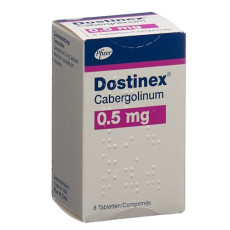

Medications for Prolactinoma
Prolactinoma is a benign tumor of the pituitary gland that causes an overproduction of prolactin, a hormone responsible for milk production and reproductive functions. This condition is the most common type of functioning pituitary tumor, accounting for approximately 40% of all pituitary adenomas. Early diagnosis and effective treatment are crucial to control symptoms such as menstrual disturbances, infertility, and galactorrhea, and to prevent potential complications like bone loss. Advances in medical research have shown that medications can effectively reduce prolactin levels and tumor size, significantly improving patients' quality of life. Prompt treatment initiation often results in symptom relief and tumor shrinkage, emphasizing the importance of timely medical intervention.
What is a Prolactinoma?
A prolactinoma is a non-cancerous growth in the pituitary gland that produces excess prolactin. It primarily affects women of reproductive age but can also occur in men and children. The condition is usually chronic but manageable with appropriate treatment. If left untreated, high prolactin levels can lead to menstrual irregularities, infertility, and decreased libido. Diagnosing prolactinoma early allows for effective management, reducing the risk of long-term health issues and improving overall well-being. Because the symptoms can mimic other conditions, medical evaluation is essential for accurate diagnosis and treatment planning.
Definition and Main Characteristics of Prolactinoma
Prolactinoma is a benign tumor originating from lactotroph cells in the pituitary gland, leading to excessive prolactin secretion. Causes are often idiopathic, but genetic predispositions and certain environmental factors may contribute. The tumor typically grows slowly and remains localized, rarely becoming malignant. It is classified based on size: microprolactinomas (<10 mm) and macroprolactinomas (>10 mm). The disease can cause hormonal imbalances, leading to symptoms like menstrual disturbances, galactorrhea, and sexual dysfunction. Risk groups include women of reproductive age and individuals with a family history of pituitary tumors. The progression of untreated prolactinoma can result in osteoporosis due to hypogonadism, highlighting the importance of early detection.
Symptoms of Prolactinoma
Symptoms of prolactinoma vary depending on tumor size and prolactin levels. Common signs include irregular or absent menstrual periods, milky nipple discharge, infertility, decreased libido, and erectile dysfunction. Larger tumors may exert pressure on surrounding structures, causing headaches and visual disturbances. Early recognition of these symptoms facilitates prompt diagnosis and treatment, preventing complications. Some patients may experience mood changes or fatigue related to hormonal imbalance. The severity and combination of symptoms often guide clinicians in suspecting a prolactinoma and initiating appropriate testing.
How to Recognize Early Signs of Prolactinoma
Initial signs often include menstrual irregularities, such as missed periods or amenorrhea, and unexpected milk production in women not pregnant or breastfeeding. Men may notice decreased libido, erectile dysfunction, or gynecomastia. Galactorrhea, or spontaneous nipple discharge, is a distinctive symptom. These symptoms can be mistaken for other hormonal or reproductive issues, so medical consultation is essential. Recognizing these early signs allows for timely testing and intervention, reducing the risk of long-term health consequences. If these symptoms persist, consulting a healthcare professional is strongly advised.
Causes and Risk Factors of Prolactinoma
The exact cause of prolactinoma remains unknown in most cases, but genetic factors and environmental influences may play a role. Certain genetic syndromes, such as multiple endocrine neoplasia type 1 (MEN1), increase susceptibility. Environmental factors like stress, medications, and hormonal imbalances can contribute to tumor development. Risk factors include age (most common in women aged 20-50), family history of pituitary tumors, and use of dopamine antagonists or other medications that influence prolactin levels. Lifestyle factors, such as chronic stress or exposure to endocrine-disrupting chemicals, may also have a contributory role. Recognizing these factors helps in early detection and preventive strategies.
Factors Contributing to the Development of Prolactinoma
Internal factors such as genetic mutations or familial predispositions can increase the risk of prolactinoma. External factors include certain medications (e.g., antipsychotics, antidepressants), stress, and environmental exposures that disrupt hormonal regulation. Multiple factors often interact, making the development multifactorial. Understanding these contributors is vital for risk assessment and early diagnosis. Recognizing modifiable risk factors allows for preventive measures, especially in individuals with a family history or predisposing conditions.
Types of Medications and Treatments
The primary approach to managing prolactinoma involves medications that lower prolactin levels and reduce tumor size. Treatment choice depends on tumor size, prolactin levels, symptoms, and patient-specific factors such as age and reproductive desires. While some cases with mild symptoms may be monitored initially, most require pharmacological intervention. Medical therapy is generally preferred over surgery or radiotherapy due to its effectiveness and lower risk profile. Regular monitoring ensures treatment efficacy and early detection of potential side effects.
Medications for Prolactinoma Treatment
The mainstay of medical treatment involves dopamine agonists, which act to inhibit prolactin secretion. Commonly used drugs include bromocriptine and cabergoline. These medications aim to normalize prolactin levels, shrink the tumor, and restore hormonal balance. In some cases, other drugs like quinagolide may be used, especially if patients are intolerant to first-line options. The choice of medication depends on factors such as tolerability, side effect profile, and pregnancy plans. Regular blood tests and imaging are necessary to monitor response and adjust dosages accordingly.
Natural Remedies for Prolactinoma
While medications are the primary treatment, some complementary approaches may help alleviate symptoms. These include stress reduction techniques like meditation or yoga, maintaining a balanced diet rich in vitamins and minerals, and ensuring adequate sleep. Herbal supplements such as Vitex (chasteberry) are sometimes used to support hormonal balance, but their efficacy is not scientifically proven and should only be used under medical supervision. It is important to remember that natural remedies are adjuncts and do not replace prescribed treatments. Always consult a healthcare professional before starting any alternative therapies.
Forms and Presentations: Tablets, Capsules, Injections
Medications for prolactinoma are typically available in various forms, including tablets, capsules, and injectable preparations. Tablets and capsules are the most common, offering ease of use and quick absorption. Injections may be used in specific cases, such as when rapid prolactin reduction is needed or if oral administration is not feasible. Each form has its advantages: tablets are convenient for daily use, while injections can provide sustained release. Proper storage and adherence to prescribed dosages are essential for treatment success.
Over-the-Counter (OTC) Medications
Medications for prolactinoma are generally prescription-based, but for mild symptoms or supportive care, some OTC options may be considered. Pain relievers like acetaminophen or NSAIDs can help manage headaches or discomfort caused by tumor pressure. However, these do not influence prolactin levels or tumor size. It is crucial to consult a healthcare professional before using OTC medications, especially if symptoms persist or worsen. Self-medication without proper diagnosis can delay appropriate treatment and lead to complications.
Diagnosis and When to See a Doctor
Accurate diagnosis of prolactinoma involves a combination of clinical evaluation, blood tests, and imaging studies. Blood tests measure serum prolactin levels, while MRI scans visualize the pituitary gland to assess tumor size and location. It is important not to self-diagnose or self-medicate, as only a healthcare professional can determine the severity and appropriate treatment plan. Early diagnosis improves treatment outcomes and reduces the risk of long-term complications such as osteoporosis or vision problems. Regular follow-up is essential to monitor disease progression and response to therapy.
Tests and Diagnostic Methods for Prolactinoma
Diagnosis typically includes serum prolactin measurement, which shows elevated levels in prolactinoma cases. MRI imaging provides detailed visualization of the pituitary tumor, confirming its size and extent. Additional tests may include visual field assessments if the tumor compresses optic nerves. Differential diagnosis involves ruling out other causes of hyperprolactinemia, such as medications or hypothyroidism. Blood tests for other pituitary hormones can help evaluate overall pituitary function. Early and accurate diagnosis facilitates effective treatment and better prognosis.
Signs That Require Immediate Medical Attention
Urgent medical consultation is necessary if symptoms such as sudden vision loss, severe headache, or neurological deficits occur. These may indicate tumor expansion or hemorrhage, requiring prompt intervention. Additionally, symptoms like persistent vomiting, confusion, or weakness should not be ignored. Delayed treatment in such cases can lead to irreversible damage or life-threatening complications. Recognizing these warning signs ensures timely management and prevents serious health consequences.
Precautions and Side Effects
While medications for prolactinoma are generally safe, they can cause side effects, especially if misused. Common adverse effects include nausea, dizziness, and fatigue, which are usually mild and transient. More serious but rare effects include allergic reactions, heart valve issues, or liver problems. Patients with pre-existing conditions or those on other medications should be monitored carefully. Following the prescribed dosage and reporting any unusual symptoms to a healthcare provider helps minimize risks. Special caution is advised for pregnant women, children, and the elderly, who may require dose adjustments or alternative therapies.
Most Common Side Effects
| Type of Effect | Frequency | Severity | Recommendations |
|---|---|---|---|
| Nausea and dizziness | Common | Light to moderate | Take medication with food, monitor symptoms |
| Headache | Occasional | Light | Adjust dosage if persistent, consult doctor |
| Allergic reactions | Rare | Severe | Seek immediate medical attention |
Guidelines for Safe Medication Use
To ensure safe and effective treatment, always follow your healthcare provider’s instructions regarding dosage and timing. Store medications in a cool, dry place away from direct sunlight and out of reach of children. Avoid alcohol and certain foods that may interfere with medication absorption or increase side effects. Regular medical check-ups are essential to monitor hormone levels and tumor size. Report any adverse reactions or unusual symptoms promptly. Proper adherence and communication with your doctor optimize treatment outcomes and minimize risks.
Prevention and Daily Care
While there are no definitive ways to prevent prolactinoma, maintaining a healthy lifestyle can support overall endocrine health. Regular medical check-ups facilitate early detection of hormonal imbalances. Managing stress, avoiding exposure to endocrine disruptors, and adhering to prescribed treatments help reduce the risk of tumor growth or recurrence. Educating oneself about symptoms and seeking prompt medical advice at the first signs can prevent complications. Personalized care plans should consider age, sex, and individual health status to optimize prevention strategies.
Recommended Habits to Reduce Risk of Prolactinoma
Adopt a balanced diet rich in fruits, vegetables, and whole grains to support hormonal balance. Engage in regular physical activity to improve overall health and reduce stress. Limit exposure to environmental toxins and endocrine-disrupting chemicals. Practice stress management techniques such as meditation or yoga. Ensure adequate sleep and avoid substances that can interfere with hormonal regulation. These habits contribute to a healthier endocrine system and may lower the risk of tumor development or recurrence.
Additional Preventive Measures
Routine medical examinations, especially for individuals with a family history of pituitary tumors, are vital. Vaccinations and health screenings help prevent infections that could influence hormonal health. In some cases, vitamin supplementation or medication may be recommended to support endocrine function. Following your doctor’s advice and adhering to prescribed treatment plans are essential for long-term health. These secondary preventive measures help maintain hormonal balance and reduce the likelihood of disease progression.
Prognosis and Recovery
The outlook for patients with prolactinoma is generally favorable, especially with early diagnosis and appropriate treatment. Most patients experience normalization of prolactin levels and tumor shrinkage, leading to symptom resolution. The prognosis depends on tumor size, response to therapy, and adherence to medical advice. Regular follow-up ensures sustained remission and early detection of any recurrence. Lifestyle modifications and ongoing medical care significantly improve long-term outcomes. With proper management, many patients return to normal functioning and enjoy an improved quality of life.
Typical Recovery Time
The recovery period varies based on tumor size and treatment response. Mild cases with microprolactinomas may see symptom improvement within days to weeks after starting medication. Larger tumors or macroprolactinomas might require several months of treatment before significant tumor shrinkage and hormonal normalization occur. In some cases, ongoing therapy is necessary to maintain remission. The table below summarizes typical recovery durations:
| Type of Case | Average Recovery Duration | Comments |
|---|---|---|
| Microprolactinoma | Few days to weeks | Rapid symptom relief possible |
| Macroprolactinoma | Several months | Requires ongoing treatment and monitoring |
Factors Improving Prognosis
- Early diagnosis and prompt initiation of therapy
- Adherence to prescribed medication and follow-up appointments
- Effective tumor size reduction through medication
- Healthy lifestyle and stress management
- Monitoring hormone levels regularly
These factors significantly increase the chances of complete remission and reduce the risk of relapse.
Lifestyle Changes for Better Outcomes
Adopting healthy habits such as balanced nutrition, regular exercise, adequate sleep, and stress reduction can support treatment effectiveness. Avoiding substances that interfere with hormonal balance, such as alcohol and certain medications, is also recommended. Maintaining a positive outlook and staying engaged with medical care contribute to faster recovery. These lifestyle modifications help prevent recurrence and promote overall well-being.
Possible Complications
Untreated or poorly managed prolactinoma can lead to several complications. These include osteoporosis due to prolonged hypogonadism, vision problems from tumor compression, and rare cases of tumor growth or hemorrhage. Hormonal imbalances may also cause mood disturbances and cardiovascular issues. Preventing these complications relies on early diagnosis, consistent treatment, and regular monitoring. Addressing symptoms promptly and following medical advice minimizes long-term health risks. With proper care, most patients avoid serious complications and maintain good health.
| Complication | Frequency | Severity | Prevention |
|---|---|---|---|
| Osteoporosis | Possible if untreated | Serious | Hormonal regulation, calcium and vitamin D supplementation |
| Visual impairment | Rare | Severe | Early tumor detection and treatment |
| Tumor hemorrhage | Rare | Critical | Regular imaging and clinical monitoring |
With appropriate treatment and ongoing care, most patients with prolactinoma recover well and avoid long-term complications, ensuring a good quality of life.
Where to Buy Medications for Prolactinoma
Medications for prolactinoma are available both in physical pharmacies and online. It is essential to verify the legitimacy of the pharmacy, ensuring it is licensed and reputable, to avoid counterfeit products. All medications should be purchased from trusted sources, especially when buying online, to guarantee quality and safety. Our pharmacy in France offers all prescribed medications for prolactinoma with proper certification and quality assurance. Buying from authorized providers ensures you receive genuine products and proper guidance for use.
Shop Safely in a Licensed Online Pharmacy
Purchasing from our accredited online pharmacy offers several advantages, including access to professional advice, guaranteed product authenticity, and secure payment options. We ensure all medications are stored and shipped under strict quality controls, including temperature regulation and discreet packaging. Before completing your order, verify the pharmacy’s license, check the packaging for tampering, and confirm the expiration date. Our customer service is available to answer questions and provide guidance, making your shopping experience safe and reliable.
Can You Buy Prolactinoma Medications Online Without a Prescription?
In France, all medications for prolactinoma require a prescription; however, our online pharmacy provides a secure platform where you can purchase these medications without a personal visit to a doctor. It is important to ensure that the medication is appropriate for your condition and to follow medical advice. Always consult a healthcare professional before starting or changing treatment. When buying online, verify that the pharmacy complies with legal standards, offers genuine products, and provides clear information about dosage and usage.
- Check for pharmacy licensing and certification
- Ensure secure payment methods
- Read reviews and customer feedback
- Confirm product authenticity and expiration date
- Seek professional advice if unsure
Shipping Options and Quality Assurance
Our pharmacy offers various shipping methods, including standard, express, and international delivery, to suit your needs. All shipments are tracked, and packaging is discreet to protect your privacy. We implement strict quality control measures, such as batch traceability, temperature monitoring during transit, and secure packaging to prevent tampering. These measures ensure that your medications arrive in optimal condition, maintaining their efficacy and safety. Our commitment to quality guarantees a reliable and convenient purchasing experience.
Prices, Availability, and Discounts in French Pharmacies
The cost of prolactinoma medications in France depends on several factors, including whether you choose a brand-name or generic product, the dosage, and the form (tablets, capsules, injections). Availability can vary; some formulations are in stock and ready for immediate purchase, while others may require special ordering. Seasonal demand, regional distribution, and supply chain factors can influence stock levels. Many pharmacies offer discounts, promotional codes, and loyalty programs that can reduce costs. Comparing prices between pharmacies and online platforms helps find the best deals. Consulting your pharmacist about generic alternatives or ongoing promotions can also lead to significant savings. If you need a specific formulation or dosage, inquire in advance about ordering options or alternatives to ensure timely access to your medication.
| Produits en pharmacie | Prix |
|---|---|
| Dostinex 0.25/0.5 mg comprimés | 99.77 € |
| Cabergoline | 0.00 € |
FAQ: Médicaments contre le Prolactinome en 2026
-
Est-il nécessaire d’avoir une ordonnance pour acquérir Médicaments contre le Prolactinome en pharmacie ?
-
Quelles sont les méthodes de paiement acceptées ?
-
Quel est le prix de Médicaments contre le Prolactinome en France ?
-
Puis-je acheter Médicaments contre le Prolactinome via votre pharmacie en ligne ?
-
Que dois-je savoir concernant la livraison ?
-
Médicaments contre le Prolactinome est un produit légal en France ?
-
Produits les plus vendus dans la pharmacie